Gifu, Japan · The Northern Alps
Hida Great Limestone Cave: Visit Between Takayama and Okuhida
Hida Great Limestone Cave is an option between Takayama and Okuhida for travellers interested in an underground walk. It is not automatically a step-free or effortless rainy-day stop. Check the current approach, walking conditions and transport connection before adding it to a transfer day with luggage or a fixed ryokan dinner.
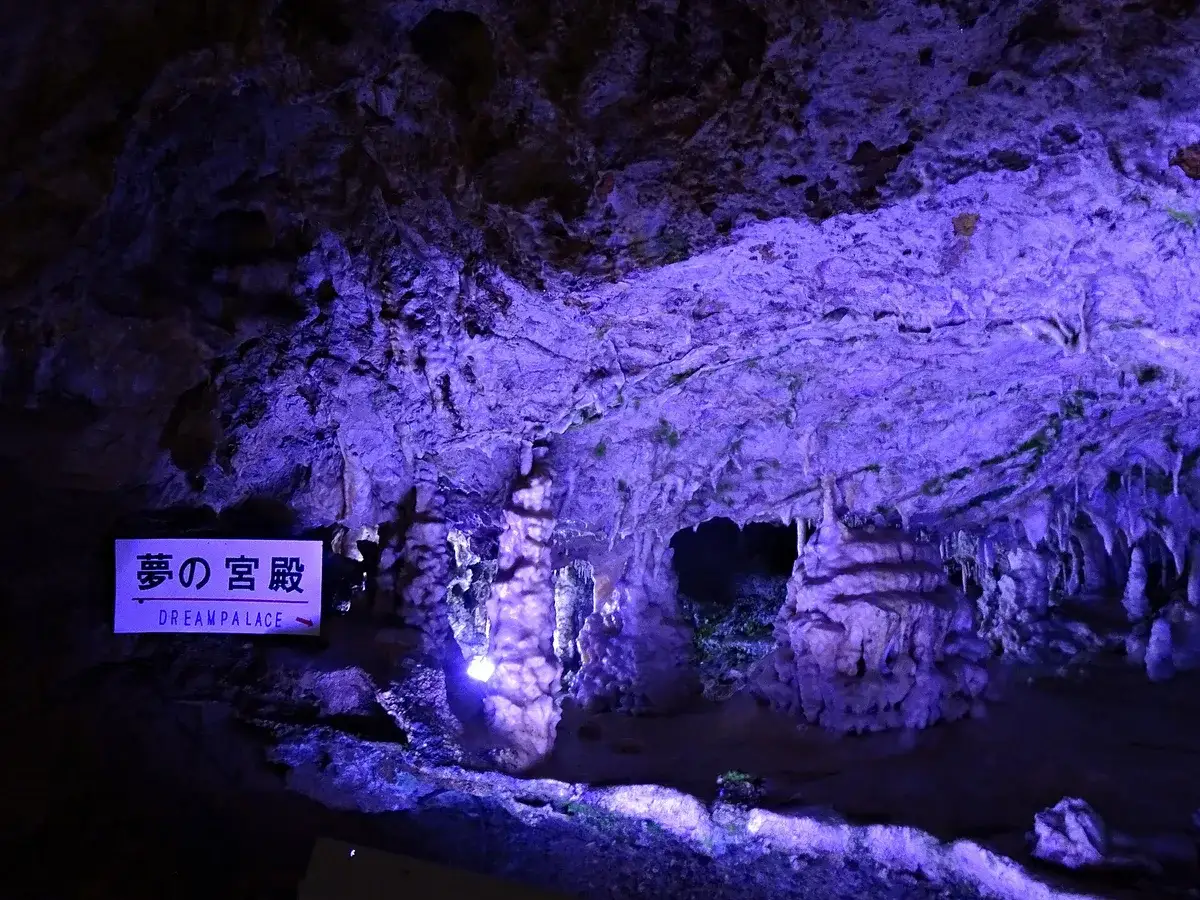
The “Dream Palace” area inside Hida Great Limestone Cave. The lighting highlights the cave formations. · ブルーノ・プラス · CC BY 4.0 · Wikimedia Commons · Resized and converted to WebP
Some booking links may earn us a commission at no extra cost to you. How we fund this guide.
Why add the cave to an Okuhida itinerary?
The cave offers a different kind of landscape from ropeway panoramas and riverside walks. Its location along the wider Takayama–Okuhida corridor makes it worth investigating for a transfer day rather than a dedicated detour from an already busy mountain itinerary.
The operator describes a developed visitor cave. Decide whether the underground setting interests your group, rather than adding it merely to fill a gap between buses. Leave time to return to your bags and continue the journey comfortably.
Is it suitable for everyone?
Ask about steps, gradients, narrow sections and the available route before committing if someone has mobility concerns. A tourist cave can still be physically demanding, and being sheltered does not make it an accessible substitute for an outdoor walk.
Choose footwear with grip and carry a layer suitable for the interior. Families should consider whether a child is comfortable with an enclosed environment as well as whether the walk is manageable. Do not rely on carrying a stroller through an unspecified route.
How do you get there?
Drivers should use the attraction’s current access instructions and verify the entrance and parking. Bus travellers should identify the correct roadside stop and ask how the final approach works. A bus serving the corridor does not necessarily stop at the attraction entrance.
Confirm whether any local transfer is available, how it is requested and how you return to the bus stop. Protect the next departure instead of treating transport after the visit as something to arrange once you emerge.
Can you visit on the way to your ryokan?
Yes, when luggage handling, admission and onward travel are settled first. Keep your ryokan’s arrival requirements in view and leave enough margin for the actual visit. If a connection is delayed, shorten or drop the cave stop before risking an agreed dinner.
Check any seasonal outdoor displays separately from the cave itself. An attraction described as operating year-round may still alter particular areas, admissions or access during disruption. Use the operator’s latest information for the visit you intend to make.
Keep the cave visit optional when transferring between hotels. If the morning departure runs late, continue to your accommodation instead of compressing the visit and losing the next connection.
What is the Hida Great Limestone Cave experience?
It is a developed visitor-cave outing along the wider Takayama–Okuhida approach, with underground scenery rather than a mountain panorama. Choose it because your group is interested in the cave environment, not simply because it appears between two hotel pins. It can add variety to an itinerary otherwise focused on outdoor views and baths.
Use the operator’s Japanese name, 飛騨大鍾乳洞, when asking about access. The attraction’s site also presents the Ohashi Collection, so check which areas are included in the current admission and what you want to see. A combined attraction name does not mean every visitor needs to spend equal time in each part. A tourist cave can still include slopes, steps and enclosed passages. Being sheltered from direct rain does not make it a universally easy indoor alternative. Read the route information before deciding it suits a stroller, limited mobility or a child uncomfortable underground. The visit is most useful when the actual walking environment interests the group.
Which bus stop should you use, and how does the final transfer work?
Check the current service to Shonyudoguchi, written 鍾乳洞口, and the cave operator’s onward transfer instructions. The roadside stop and attraction entrance are different places. Do not assume the main corridor bus delivers you directly to the ticket office. The operator’s current notice describes a shuttle linked to route-bus arrivals and a return arrangement timed before the chosen onward bus. Confirm that procedure for your date, including where to wait and how to tell staff which departure you need. Save the instructions before leaving the main road service. Use the Takayama–Okuhida route guide for the wider journey, then check the cave stop specifically through the operator. A timetable showing a bus on the corridor does not establish that every departure serves the stop or that the shuttle arrangement covers your intended arrival. The return from the attraction to the roadside is as important as the arrival transfer.
Can you stop at the cave while moving between hotels?
Yes, when luggage storage, the final approach and the onward bus are settled first. Treat the cave as an optional stop on the transfer day, with the hotel arrival as the fixed requirement. This makes it easier to drop the attraction if the morning journey is delayed.
Ask where bags can be left and whether the storage arrangement accepts your suitcase size. Carrying large luggage through a cave is a poor substitute for a confirmed solution. Keep medication, tickets and your next hotel’s details in a small bag. If the property offers pre-check-in storage, check whether reaching it first makes the cave stop impractical.
Work backwards from the ryokan’s agreed dinner arrival. Include the walk out of the cave, time to collect bags, the shuttle back to the stop and the main bus journey. Avoid planning around the last technically possible service. A cave visit is a useful addition when it fits naturally; it should not create a chain in which one missed roadside departure disrupts the rest of the stay.
Which cave route is suitable for slower walkers?
Ask about the current sections, gradients and exit choices before entering. The operator describes a route divided into sections with exits, and notes that the later part becomes steeper. Confirm which portion is appropriate for your group and how the return from an earlier exit works. An earlier exit can be a sensible planned visit rather than a failure to finish. Decide together before entry whether everyone will follow the same route or use different sections. If splitting the party, agree on a clear meeting point outside and make sure nobody is left to manage an unfamiliar return alone.
Do not infer accessibility from the existence of multiple exits. Those exits may still involve slopes or steps. For a wheelchair, stroller or significant mobility concern, ask the operator about a specific usable route. A general attraction listing cannot establish that the entire cave is suitable. If the answer does not meet your needs, choose another stop rather than relying on carrying equipment or assisting someone through an unsuitable section.
What should you wear and carry underground?
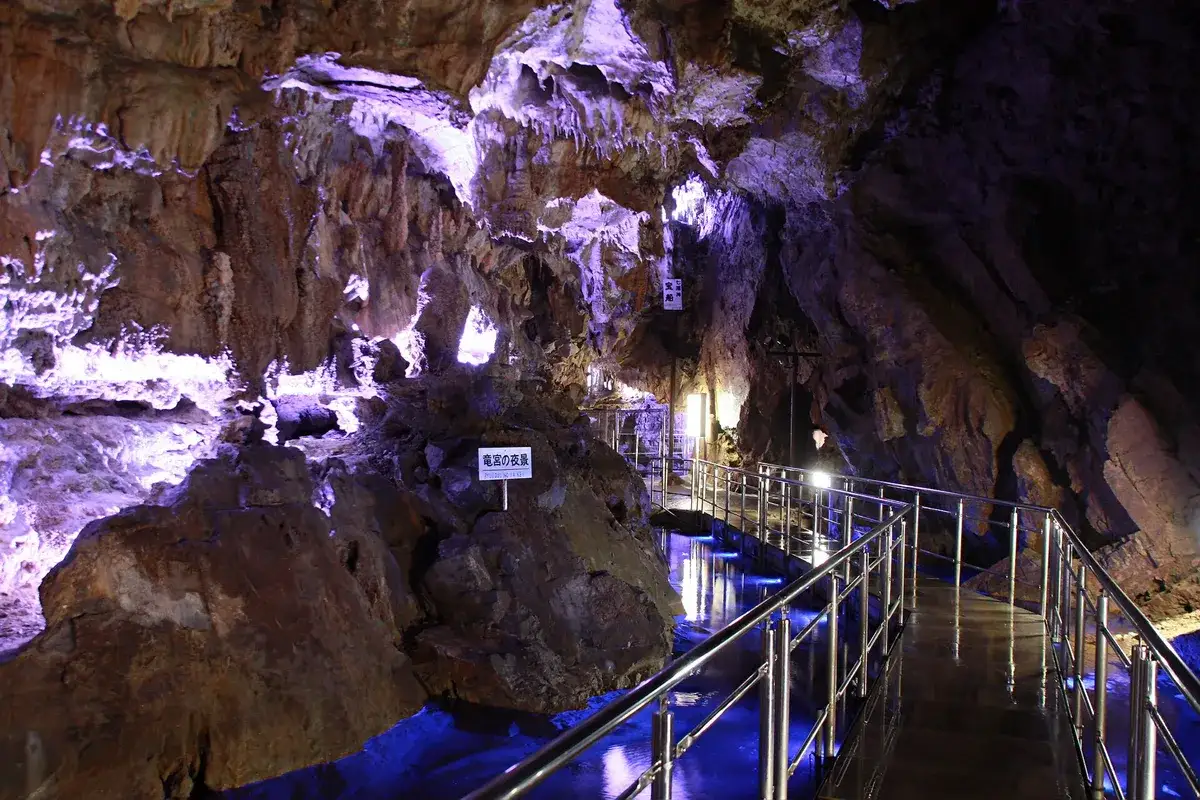
Wear shoes with grip and carry a layer appropriate to the cave environment. Keep the bag small enough to move comfortably through passages and leave your hands available for balance. Read the operator’s current route advice rather than assuming the interior conditions match the weather outside.
Avoid loose bags and dangling equipment that are awkward in confined spaces. Keep your phone and camera secure, and follow local photography instructions. If taking pictures, pause where you do not obstruct the route or force other visitors to pass awkwardly. The visit should not become a sequence of stops in the narrowest sections.
For children, bring only essentials into the cave and confirm whether the route suits their confidence. A child who enjoys a dim room may still dislike an enclosed passage, so keep the exit plan clear. If the family is already tired from travel, consider making the cave the main outing rather than adding several more attractions before the hotel. Comfortable pacing is more useful than trying to fit every corridor stop into one afternoon.
Is the cave a good rainy-day alternative?
It can offer a change from exposed sightseeing, but the complete visit still includes outdoor travel and potentially wet approaches. Check the road journey, shuttle and route conditions rather than describing the attraction as weather independent. A sheltered interior does not remove the need for suitable footwear.
Compare it with your original objective. If you wanted a mountain panorama, the cave provides a different landscape rather than a replacement view. If the group enjoys geological formations and an underground walk, it may be appealing in its own right. Do not choose it solely because another attraction is cloudy if the physical route does not suit your party.
Keep admission timing and onward transport visible on a rainy transfer day. Visitors may move more slowly, and road delays can reduce the available interval. The operator’s latest information should settle whether the visit remains practical. If the schedule becomes tight, continue to the accommodation and use the afternoon there. An optional attraction should remain easy to remove when conditions change.
What should you know about winter displays and access?
Check any outdoor winter display separately from the cave’s ordinary operation. A photograph of an ice feature describes a seasonal attraction that may have its own dates, access and conditions. Do not assume it is present throughout winter or included with every cave visit. Winter also affects the journey and the route outside the cave. Ask about the approach, footwear and shuttle arrangements close to the visit. If driving, use appropriate winter planning and the operator’s current parking instructions. If travelling by bus, confirm the return rather than assuming the summer timetable applies.
The Okuhida winter guide provides wider context for the road journey. Keep the cave stop modest if you are heading to a ryokan with dinner. A visit that depends on a particular seasonal display should be booked or scheduled only after that display is confirmed. The underlying cave and a temporary outdoor feature may both be interesting, but they should be treated as separate reasons to visit.
Should you buy admission, a bus package or a private tour?
Choose the product that matches the transport help you need. Standalone admission makes sense when you have already arranged the journey. A bus-and-admission package may be useful if its route and validity match your plans. A private tour is worthwhile only when it explicitly includes the cave and solves a broader itinerary need.
Check the current product through the provider, especially if you find an old package page. A historical bus deal does not establish availability for your dates. Read whether the ticket is for a return to Takayama or fits a through journey toward Okuhida. Do not buy a city-return product and assume it covers a different onward destination.
Avoid treating a generic Takayama activity as cave admission. The tours guide explains how to compare those formats, while the car-hire guide covers the independent-driving alternative. Whatever you choose, confirm the exact attraction, final transfer and return. A useful booking makes the cave visit straightforward without creating uncertainty about how to reach the next hotel.
How do you plan the cave with children?
Choose the route according to the child’s confidence in enclosed places and the ability to complete the return, not only age. Explain the setting before entering and ask staff about appropriate sections. A developed visitor attraction can still feel unfamiliar or uncomfortable to a child who dislikes dim passages.
Keep the party together on the route and avoid using photography stops to separate adults from children. If an earlier exit is appropriate, understand how the group will reunite outside before anyone splits off. Do not rely on carrying a stroller through a route whose steps and gradients have not been confirmed.
Leave a break after the visit rather than adding another immediate transport deadline. The family planning guide can help place the cave within a less crowded day. If the child is already tired from travel, a shorter village afternoon may be more comfortable. The cave should be an attraction your family wants to experience, not a compulsory transfer-day stop simply because it lies along the wider road corridor.
Which questions should you ask before leaving the main bus route?
Ask where the onward shuttle collects, where your bags can stay, which cave section suits the party and when to be ready for the return to the roadside. These four answers connect the visit with the rest of the journey. Get them before entering, when staff can still help you choose an appropriate route.
Keep the next bus destination and departure written down. If continuing to Okuhida, make sure the return arrangement is timed for that direction rather than an assumed journey back to Takayama. Check the current service itself; the attraction’s transfer and the main road bus are separate links.
If the available interval is too short, continue to your hotel or choose another day. Do not count on walking faster through an unfamiliar cave to recover a late arrival. A worthwhile stop leaves time to see the surroundings and exit comfortably, collect belongings and reach the next boarding point without turning the final part into a rush.
Where should you go next?
Continue planning with Takayama to Okuhida, Car hire for Okuhida, Hirayu Onsen guide. Start with the Okuhida travel guide if you are still choosing a village base.
Your questions, answered
Is the cave accessible without stairs?
Do not assume a step-free route. Ask the operator for details of the visitor route, steps, gradients and possible alternative exits before booking if accessibility matters. A location being an established tourist attraction does not guarantee that wheelchairs, strollers or people who avoid stairs can complete every section.
Can I go by bus?
Investigate the current Takayama–Okuhida corridor service alongside the cave’s own access instructions. Establish the exact stop and the final approach, including any transfer arrangements. Check the return departure before entering so a short sightseeing stop does not become a long roadside wait or a missed ryokan arrival.
Is it a good activity in rain?
It can offer an underground visit, but the approach and onward transport still involve outdoor conditions. Check current opening and walking arrangements. A cave may have wet surfaces, so select it because the group wants the experience and can manage the route, not solely because it is raining.
Can I take luggage inside?
Ask the operator about storage before planning a visit with suitcases. Even when admission is available, a walking route may be unsuitable for large bags. Keep essential belongings with you and arrange collection so it does not conflict with your onward bus or the attraction’s own closing arrangements.
Should I visit before or after Okuhida?
Either can work if the transport sequence is sensible. Compare your actual hotel location, luggage and meal commitments. A transfer toward Takayama after checkout may feel less constrained than an arrival day with a fixed dinner, but only if your bags and later train connection are also accounted for.