Gifu, Japan · The Northern Alps
Hida-Furukawa Day Trip from Takayama and Okuhida
Hida-Furukawa suits travellers who want canals, traditional streets and a slower town walk alongside Takayama. Reach it through the Takayama side of your itinerary rather than treating it as an Okuhida village. Leave room for a museum or craft stop, and check the return transport before exploring.
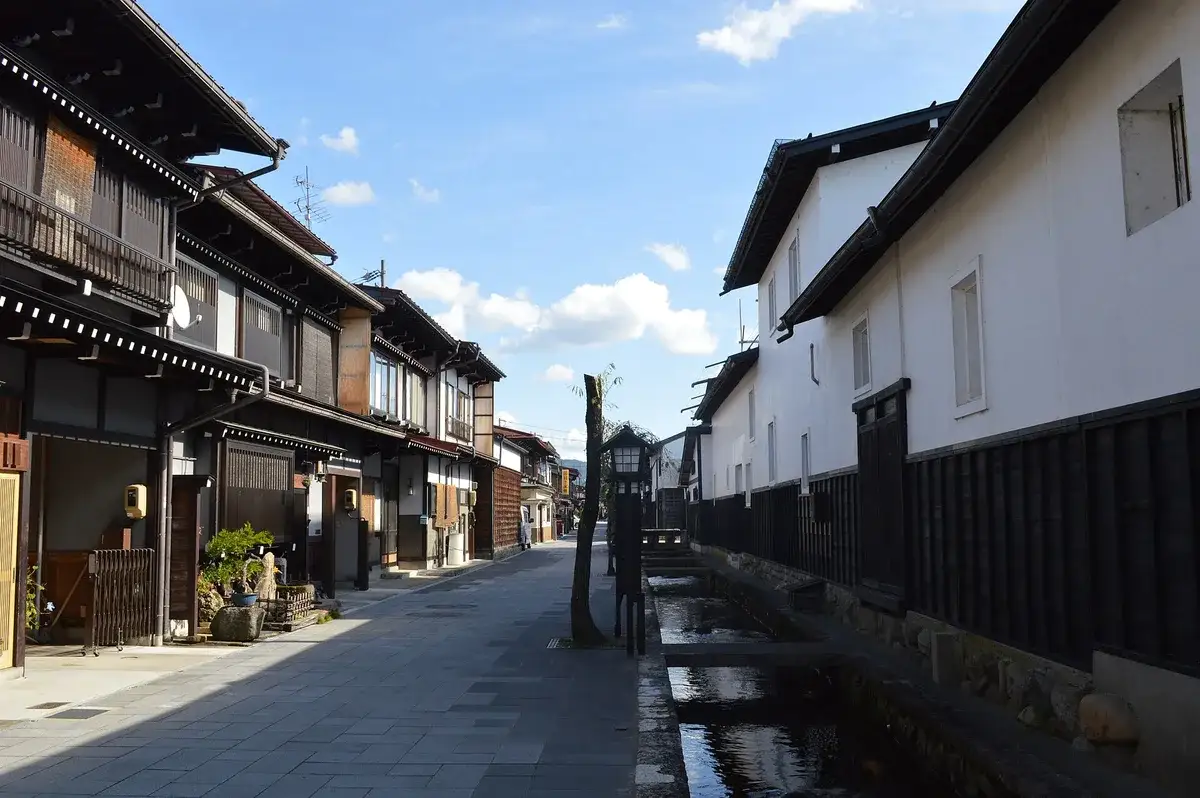
The Setogawa canal and storehouse streets in Hida-Furukawa, a separate town from Takayama. · Asturio Cantabrio · CC BY-SA 4.0 · Wikimedia Commons · Resized and converted to WebP
Some booking links may earn us a commission at no extra cost to you. How we fund this guide.
Which version of a Furukawa visit fits your day?
Choose a compact town visit for a transfer day, and reserve a longer outing for a day without a ryokan arrival deadline.
| Visit format | Good fit | Planning decision |
|---|---|---|
| Canal and storehouse loop | A first introduction | Start with the current visitor map |
| Walk plus festival exhibition | More cultural context | Confirm opening information |
| Booked craft experience | A specific local interest | Place the activity time before choosing trains |
| Furukawa from an Okuhida base | A longer regional outing | Include both journeys through Takayama |
Is Hida-Furukawa worth adding?
Choose Furukawa for a town walk with room to notice the details: canal edges, white storehouses, timber buildings and small local businesses. It is a different experience from a mountain viewpoint. It also gives an itinerary built around ropeways and baths a welcome change of pace.
Do not expect every street to be empty or every shop to be open when you arrive. The appeal is a walkable historic setting, not a guaranteed private version of Takayama.
How does it fit with an Okuhida stay?
Put Furukawa before or after your hot-spring nights, with Takayama acting as the transport hinge. Trying to visit from a mountain ryokan and return for an early dinner adds more connecting travel than the map initially suggests.
Check the actual train departure you plan to use. A short rail journey is only convenient if the timetable fits your day. Give yourself time to cross the station, collect bags and reach the next bus if you continue to Okuhida afterward.
What should you see on a first visit?
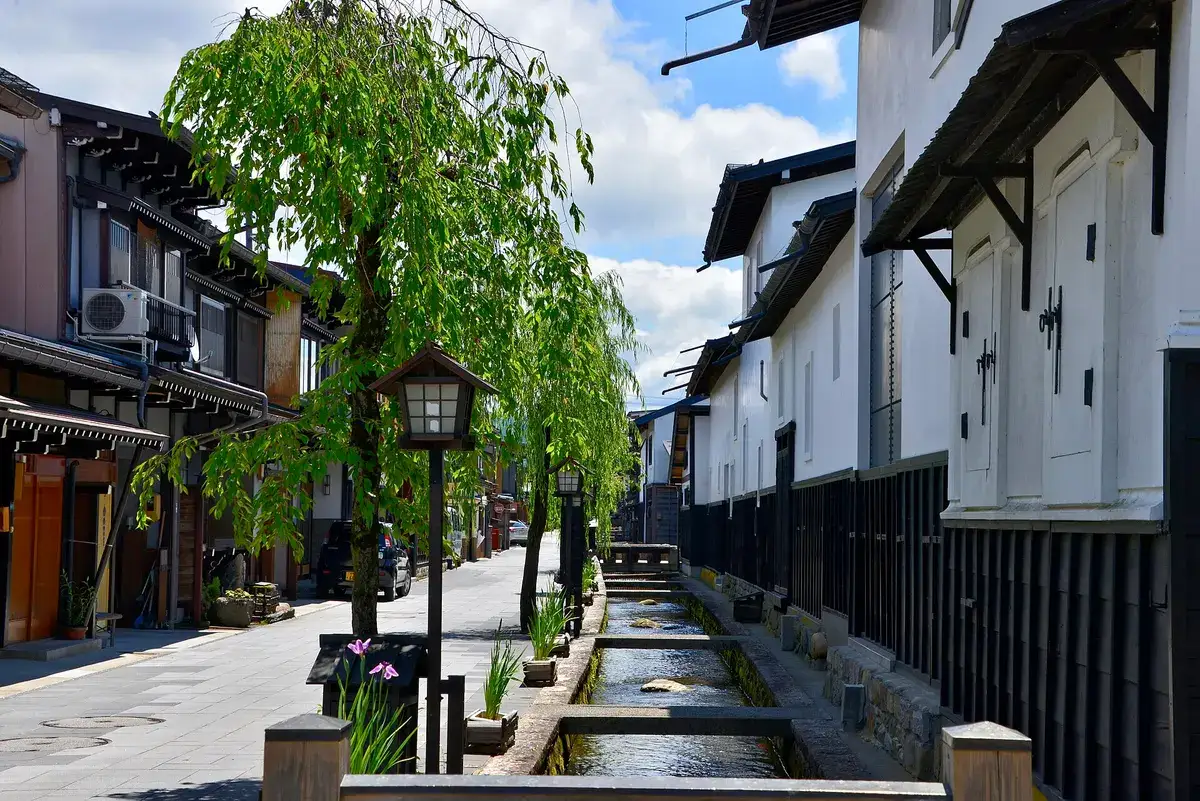
Start with the Setogawa canal and white-walled storehouse district, then decide whether to add the festival exhibition hall or a local craft experience. Use the Hida City visitor map to make a compact loop instead of spending the visit walking back and forth between saved pins.
Season changes what you see. Do not promise children that the canal carp or a particular seasonal display will be present without checking local visitor information. A museum is a useful addition when rain makes a long outdoor walk less appealing.
What makes a comfortable visit?
Allow for lunch and a warm indoor break rather than scheduling only photograph stops. Opening days matter in smaller towns; identify one fallback meal option before arriving hungry. If tasting sake, keep the driver’s plans separate and follow the rules of the premises.
The streets remain a lived-in town. Avoid blocking doorways for photographs and ask before photographing people or entering private spaces. Finish with enough time to return to the station without turning the last stretch into a hurried luggage walk.
What is the difference between Hida-Furukawa and Takayama?
Hida-Furukawa is a separate town in Hida City, with its own station, canal district and festival traditions. Takayama is the larger gateway many visitors use before travelling into Okuhida. They work well together, but their names should not be swapped in a rail search or accommodation reservation.
Choose Furukawa when you want a slower street-level visit rather than another major mountain excursion. The Setogawa canal and Shirakabe Dozogai storehouses provide a clear focus for a first walk. The Hida City official guide explains the district and its setting. This is a lived-in town, so a pleasant visit depends as much on noticing small details as on collecting headline attractions.
If you have already explored Takayama’s historic streets, consider what Furukawa adds for you: a different streetscape, local festival interpretation, or an organised craft experience. If your family is tired of town walks, do not add it solely because it is nearby on the map. A free afternoon at the ryokan may serve the trip better.
How do you get from Takayama to Hida-Furukawa?
Search for the exact station name, Hida-Furukawa, and compare the services running on your chosen day. Check stopping patterns and seat arrangements for the train you intend to use. Do not assume every train heading north from Takayama offers the same ticket or reservation conditions.
The rail journey is only one part of the outing. Include the time to reach Takayama station, locate the platform, walk into Furukawa and return for the next connection. If coming from Okuhida, add the road journey to Takayama before evaluating whether the day feels comfortable. A short train leg can conceal a much longer round trip from a mountain hotel.
For a trip involving a rail pass, confirm eligibility for the actual service through the pass issuer. Keep the Okuhida bus separate in your comparison. Save the return departure before leaving the station and identify an earlier alternative if you need to collect bags before continuing. The JR Pass guide helps organise that rail-versus-road distinction without assuming one product covers the complete holiday.
What is a sensible first-time walking route?
Make a compact loop linking the station area, Setogawa canal and white-walled storehouse streets, with one indoor cultural stop if it interests you. Use the current visitor map to decide the order. This keeps the walk purposeful without turning it into a rigid sequence of timed photo stops.
Along the canal, pause where the path is wide enough for other people to pass. Notice the relationship between the water, buildings and everyday street life instead of looking only for a particular photograph. The canal carp are seasonal; ask local visitor staff about their current location rather than promising a sighting to children. Leave the return part of the loop simple. It is easy to underestimate the time spent browsing a shop or deciding on lunch, then discover that the walk back to the station has become the rushed part of the visit. If you want a craft activity, place its fixed start time into the route first and let the street walk fit around it.
Which cultural stop adds the most to a short visit?
Choose one stop that explains what you are seeing outdoors, rather than adding several museums by default. The festival exhibition hall is a useful candidate if you want context for Furukawa’s floats and local celebrations. Check its current opening information before building the day around it. A craft or guided experience may suit visitors who prefer conversation and demonstration to display panels. Read the actual activity description: a workshop, a town walk and a shop visit offer different levels of participation. Confirm the language, minimum age, meeting point and whether you take anything away afterward. Do not assume an English booking page means every part of the activity is conducted in English.
For a short visit, one well-chosen indoor stop can also provide a natural weather break. It should still interest your group. If nobody wants a museum, keep the walk shorter and choose a relaxed meal instead. Furukawa does not need to become a checklist of paid attractions to justify the journey.
How can you visit before checking in at an Okuhida ryokan?
Work backwards from the property’s agreed arrival time, then fit Furukawa into the remaining morning or early afternoon. First establish the Takayama-to-Okuhida bus you need, the time to collect luggage and the rail connection returning from Furukawa. Only then decide how much sightseeing is available.
A practical sequence is to leave bags at an agreed storage location in Takayama, make the town visit with a day bag, return for the bags and continue by bus. Confirm the storage arrangement rather than assuming a hotel or locker can accept everything. If you are changing hotels, ask the receiving property about its own luggage policy too.
Keep a clear cut-off for optional stops. If lunch takes longer, drop an extra shop rather than taking the latest possible train back. Read the Takayama–Okuhida transport guide alongside your ryokan confirmation. The countryside visit is a pleasant addition, but it should not make dinner or an unfamiliar final village transfer depend on a flawless chain of connections.
Should you choose Furukawa or Shirakawa-go for one spare day?
Choose Furukawa for a town walk and local cultural detail; choose Shirakawa-go for the gassho-style village landscape. The journeys and visitor patterns differ, so compare what each day will feel like from your actual hotel rather than ranking them by fame.
Furukawa suits a visit that can be shaped around a compact walking loop and one extra stop. Shirakawa-go requires a separate bus plan, with particular attention to return seats and traffic disruption. Neither is automatically quiet, and neither should be treated as an empty historical set. If your priority is photography, think about the kind of buildings and surroundings you want to see.
For a transfer day, the simpler connection may be more valuable than the more famous view. For a full free day in Takayama, either can work once transport is confirmed. The Shirakawa-go day-trip guide explains the alternative in detail. Avoid squeezing both into a single gap unless a verified itinerary leaves enough time to experience each without rushing between vehicles.
How do you make the town visit work with children or older relatives?
Keep the walk compact, plan a seated break and choose cultural stops according to the group’s interests. A town outing has easier opportunities to shorten the route than a mountain excursion, but wet paving, snow and the distance back to the station still matter.
For children, frame the outing around observing the water, buildings and craft details rather than promising a long list of purchases or wildlife sightings. Keep them away from canal edges and doorways used by residents. If you use a stroller, check the proposed route locally and avoid relying on a narrow canal-side stretch as the only way through.
For relatives who tire easily, distinguish a short loop from a full day of standing in shops and displays. Identify where to sit before the group needs a break. Carry any essential food rather than assuming every small business serves a suitable meal. The best family version may be a shorter walk, one shared lunch and an unhurried return to Takayama.
Is a guided activity worth booking in Furukawa?
Book a guide when you want local interpretation or access to a specific experience, rather than transport alone. A guide can help you understand festival culture or crafts that are less obvious from the street. Compare that benefit with the freedom of a self-guided walk using the visitor map.
Check the exact meeting town. Activities marketed under the wider Hida or Takayama area may begin somewhere else, so read the address before reserving. Ask whether the route stays within Furukawa, how much walking is involved and what happens in poor weather. A cycling activity also needs separate consideration of equipment, traffic confidence and participant requirements.
Use the regional tours guide to compare activity formats before buying. Keep the local activity’s finish time compatible with your train and onward bus. If you have chosen an Okuhida stay for a quiet evening, do not let an otherwise attractive workshop create a late arrival that prevents you from enjoying the main reason for booking the ryokan.
How should you plan food, shopping and a craft stop?
Choose one meal or indoor break as part of the route rather than leaving it until everyone is hungry. Check opening information for any business central to the visit, and keep a fallback if the first choice is unavailable. A small town should not be judged by the expectation that every saved shop is open throughout the day.
For shopping, leave enough time to look without blocking entrances or turning a working store into a photography set. Ask before taking detailed interior photographs. If a craft demonstration or workshop is the priority, confirm its booking rules and duration first, then fit the canal walk around it. A fixed activity is easier to accommodate when it is the anchor, rather than squeezed between an uncertain lunch and the return train.
Keep purchases manageable if you are continuing toward Okuhida. Delicate items and several loose bags make a rail-to-bus transfer less comfortable. Consider what you can carry along the final hotel approach, especially when a child or older relative also needs help. The visit should add pleasure to the travel day without creating a new luggage problem.
What changes during festival periods and quieter seasons?
Festival visits require separate planning from an ordinary town walk. Check the official event information for access, programme and visitor arrangements rather than expecting the regular walking route to operate unchanged. A festival exhibition visit on another day is also different from attending the live event. Outside event periods, the streets and local businesses still have their own rhythm. Quiet does not mean every attraction will be open or that the town is a private backdrop. Winter conditions may change the most comfortable route, while seasonal canal details may differ from the photographs that first attracted you.
Choose the visit for what is available on your date. If the festival itself is essential, arrange the surrounding nights and transport with that objective in mind. If you want a relaxed introduction to the town, an ordinary day with one confirmed cultural stop may be more suitable. Avoid promising the rest of your group a particular atmosphere before you have checked what is actually happening locally.
Where should you go next?
Continue planning with Takayama to Okuhida, Takayama ryokan and where to stay, Takayama and Okuhida itinerary. Start with the Okuhida travel guide if you are still choosing a village base.
Your questions, answered
Is Hida-Furukawa in Takayama?
Hida-Furukawa is in Hida City, distinct from Takayama. Travellers often combine the two because the wider itinerary connects naturally through Takayama. Keep the full place name in transport searches and hotel bookings so you do not confuse a regional Hida reference with a specific station or town.
Can I visit on the way to Okuhida?
Yes, if the rail and bus connections leave enough room for both the visit and your ryokan arrival. It is more comfortable to travel with a planned bag-storage solution. Check the final bus connection and dinner check-in requirements before committing to a late afternoon departure from Furukawa.
Is it a good rainy-day alternative?
It can be, especially if you want to combine a shorter street walk with the festival exhibition hall or another indoor stop. Check opening days first. Rain still affects outdoor sightseeing, so carry suitable clothing rather than assuming a town visit is entirely sheltered or weather independent.
Should I choose Furukawa or Shirakawa-go?
Choose Furukawa for a town walk, canals and local cultural stops. Choose Shirakawa-go for the gassho-style village landscape and heritage houses. Transport arrangements differ, so compare the full journey rather than only photographs. A shorter, simpler outing may suit a transfer day better than the most famous destination.
Do I need a guide?
A self-guided walk works if your priority is the historic streets and you are comfortable using the visitor map. A local guide or bookable activity can add context about crafts and community life. Check the meeting place and language before booking rather than assuming every experience starts at the station.