Gifu, Japan · The Northern Alps
Kamikochi from Okuhida: Hirayu Bus Guide 2026
Reach Kamikochi from Okuhida through Hirayu Onsen, using the seasonal Nohi Bus service and a return plan made before you set off. Choose a walk that fits your group and the available daylight. Private cars cannot enter the visitor area, and ordinary sightseeing depends on the official visitor season and current conditions.
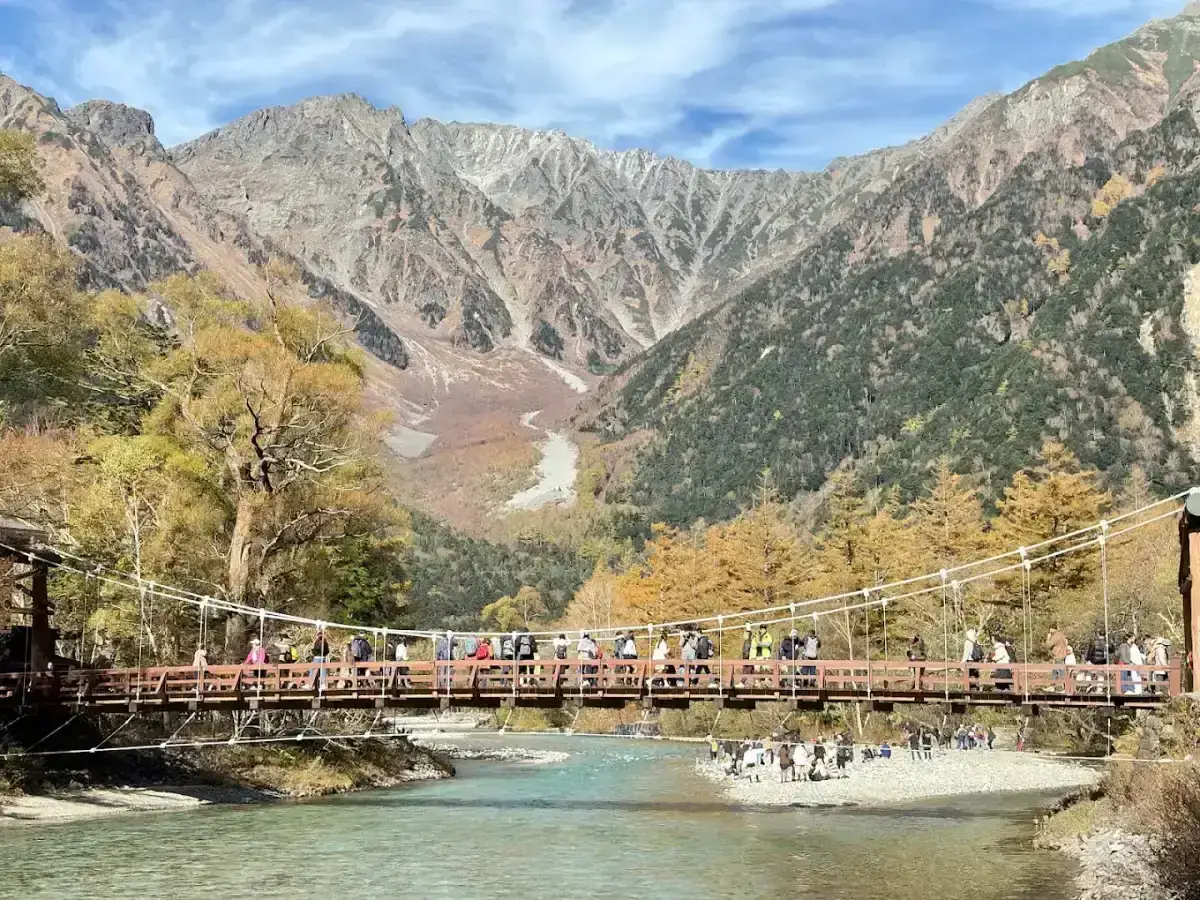
Kappa Bridge area in Kamikochi. Conditions and access change with the season. · Editorial permission · Used with permission · Editorial permission · Resized and converted to WebP
Some booking links may earn us a commission at no extra cost to you. How we fund this guide.
Why visit Kamikochi from an Okuhida base?
An Okuhida stay can combine a valley walking day with an unhurried ryokan evening, provided the buses and meal arrangements fit. Hirayu is the key connection on the Gifu side, so choosing a nearby base can simplify the transport without requiring a hotel inside Kamikochi.
The main attraction is time outside beside the Azusa River and beneath the Hotaka mountains, rather than a sequence of separate admission stops. Decide whether you want a short introduction around Kappa Bridge or a more extended walk before choosing the transport window. A longer route is worthwhile only if the whole group has the time and preparation for it.
Kamikochi is not in Okuhida itself. It is a neighbouring destination across the mountain access route, with its own seasonal arrangements and visitor rules. A ryokan that describes itself as a convenient base does not remove the need to check the bus connection for the actual date.
Use the Okuhida regional guide to fit the visit into the wider journey. For a first trip, give Kamikochi its own main sightseeing day instead of treating it as a brief stop between a long arrival and dinner.
How do you get from Hirayu to Kamikochi?
Use Nohi’s Hirayu–Kamikochi route during its published operating season. Read the outgoing and return tables, identify your boarding point and check the current ticket instructions before joining the queue.
From another Okuhida village, first plan the journey to Hirayu using the regional bus table. Do not assume the first bus you see will line up with your preferred Kamikochi departure. The connection needs to work both in the morning and when returning to the ryokan.
If travelling from Takayama, Nohi’s current page instructs passengers to change at Hirayu. Follow the selected service and its notes rather than trying to combine times from unrelated columns. Allow time for the change instead of treating a close connection as guaranteed.
The Hirayu village guide helps if you are considering a stay near the interchange. Ask the property about the correct approach to the terminal and any luggage arrangements rather than assuming all accommodation uses the same entrance or pickup point.
Which bus stop should you choose inside Kamikochi?
Choose the stop that fits the walk you have planned, not simply the first landmark you recognise. The official bus information lists stops such as Taisho Pond and Kamikochi Bus Terminal, while the destination’s walking guide explains the routes between the main sights.
For an uncomplicated first visit, beginning at the bus terminal helps you orient yourself before extending the walk. A one-way plan starting near Taisho Pond can also make sense, but only when the group understands the route and has checked its current condition. Getting off earlier should be intentional, not a spontaneous response to a scenic view.
| Walking approach | Planning benefit | What to check |
|---|---|---|
| Start at the bus terminal | Simple orientation and return point | Current path to the chosen sights |
| Taisho Pond toward central area | One-way valley walk | Stop served, conditions and personal pace |
| Kappa Bridge with a short extension | Flexible introduction | Crowd levels, weather and return margin |
| Longer valley route | More time outside | Full distance, closures and transport deadline |
Use the official walking map as a starting point, not proof that every path is open. Flood damage, fallen trees or other conditions can change the useful route. Read current destination notices and obey local signs on the day.
How much walking should you plan?
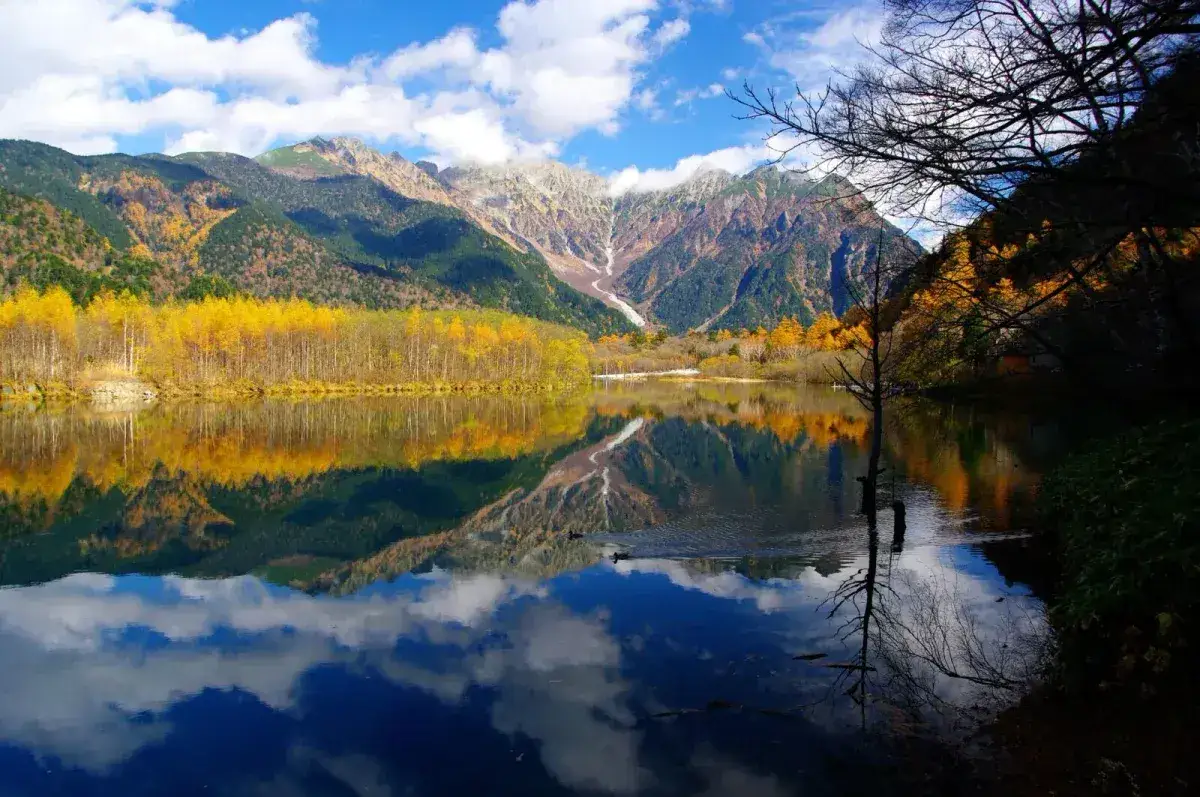
Choose a route the slowest member of the group can enjoy while retaining a comfortable return margin. Published walking estimates describe movement along a route, not your total visit with photographs, toilet stops, food and rest.
The official walking guide distinguishes the Kappa Bridge, Taisho Pond and other valley routes. Use its current map to understand the shape of the walk, then adjust expectations to the party’s pace and the conditions. Do not treat an attractive route name as a guarantee of suitability for every traveller.
Agree on a turnaround rule before setting off. It can be based on the latest time you need to return toward the terminal rather than a distant landmark you feel compelled to reach. This is useful when someone tires, the weather changes or the group naturally spends longer at a viewpoint.
Do not confuse valley sightseeing with mountain climbing. The surrounding peaks require route-specific preparation, and a visitor bus ticket does not make an alpine itinerary an appropriate extension to an ordinary walk. Keep the day within the activity you actually planned.
When is Kamikochi open for ordinary visitors?
The usual visitor season runs broadly from mid-April to mid-November, but exact transport and facility dates must be checked for the current season. An opening announcement does not mean every hotel, café or walking route begins operating on the same day.
Spring and late autumn require especially careful reading of operational information. A date near the edge of the season may involve limited facilities and colder conditions than photographs of summer suggest. Check the accommodation, bus and destination separately if any one is essential to the visit.
During winter closure, Kamikochi is not an ordinary shuttle-based day trip. Do not adapt a summer itinerary by adding warm clothing and assuming the same access remains available. The official winter information describes a different situation that needs specialist planning rather than casual sightseeing assumptions.
Read the Kamikochi season guide before booking around opening, autumn colour or the final part of the visitor season. Choose dates for a realistic experience rather than a promise of a particular view.
Can you drive from your ryokan into Kamikochi?
Private cars cannot enter the visitor area, so drivers must use the approved transfer arrangement from an access parking area. On the Gifu side, check the current Hirayu/Akandana information and the Nohi service rather than navigating directly to Kappa Bridge.
A car can help you reach the transfer point, but it does not eliminate buses, queues or the return deadline. Include parking, moving to the stop, retrieving the vehicle and driving back to the ryokan in the day. A map’s road distance to the valley is not the total practical journey.
The official English access page distinguishes Hirayu on the west and Sawando on the east. Use the approach that fits your direction and check current notices. Do not assume a hotel reservation inside the area overrides private-vehicle restrictions.
If your main reason for hiring a car is Kamikochi, compare the public-transport plan carefully before booking. The restriction means a rental may provide less additional convenience for this particular excursion than expected.
What should you carry for the day?
Carry layers, weather protection, suitable footwear, water and the essentials you cannot easily replace during the outing. Plan for the actual forecast and route, not only the temperature at breakfast in the ryokan.
Keep medicines, documents and a charged phone with you, together with the return timetable and accommodation contact. If part of your luggage stays at a property or in a vehicle, make sure the items needed on the walk are not buried there. A smaller organised day bag is easier to manage on the bus.
Food plans should remain practical. If a particular café or shop matters, check that it is operating on the visit date rather than relying on a general seasonal listing. Carry an appropriate backup snack and respect the destination’s rules on waste and wildlife.
For children and anyone who tires easily, choose a shorter initial route and leave room to adjust. A successful day does not require covering every landmark. Time to stop, sit and return calmly may be more valuable than reaching the farthest point possible.
How do you visit responsibly and handle current conditions?
Follow the official rules, stay on permitted routes and give wildlife space. The valley is a natural environment with managed visitor access, so a popular photograph should not become a reason to leave the path or approach an animal.
Read the current safety and rules guidance before travel, especially if you are carrying unusual equipment or planning a longer walk. Ask the bus operator about items subject to carriage restrictions rather than assuming everything sold for outdoor use may be taken into a passenger vehicle.
Check notices close to the day and again at the destination if information changes. An old trip report cannot establish that a bridge, path or facility remains open. Local signs and staff instructions should guide a necessary route change.
Keep flexibility in the itinerary. If a planned section is unavailable, shorten the route rather than inventing a detour through unfamiliar terrain to preserve a checklist. The goal is a worthwhile valley visit within the conditions you actually encounter.
How should you plan the return to the ryokan?
Choose a working return departure and an earlier option before beginning the walk. Then work backwards from the accommodation’s meal arrangements and the local onward bus from Hirayu, rather than waiting until the group is tired to look at transport.
A return to Hirayu is not always the end of the journey. If sleeping in Fukuchi, Shin-Hirayu, Tochio or Shin-Hotaka, include the next departure and property approach. A bus arriving in Hirayu just after a useful connection can change the evening more than expected.
Leave time at the terminal and keep the group together as the departure approaches. Do not split into separate final shopping and photography tasks without a clear meeting arrangement. Counting bags and confirming the destination is easier before the queue begins moving.
If the day becomes delayed, contact the property with a specific update. Knowing the expected bus and stop gives staff useful information; simply saying you are still in Kamikochi does not tell them when you can arrive.
Should you stay inside Kamikochi or in Okuhida?
Stay inside the valley when the atmosphere outside day-trip hours is central to your plan; choose Okuhida when a hot-spring ryokan evening is the priority. Compare the actual accommodation, visitor season and transport instead of assuming one location is better for every traveller.
The Kamikochi accommodation guide separates those choices. Check hotel arrival instructions and luggage arrangements directly if staying inside the valley. For Okuhida, select a village that matches the rest of the route rather than choosing solely by a broad distance label.
Whichever base you choose, keep the day focused. A good Kamikochi visit has a clear access plan, an appropriate walk and enough margin to return comfortably. Once those parts work, the river, forest and mountain views can remain the main reason for being there.
What if it rains or the mountains are in cloud?
Go anyway only if the group is dressed for it and the route remains open; otherwise postpone or shorten the walk. Rain does not close the valley, but wet paths, cold bus queues and hidden peaks change what the day offers. A forecast checked the evening before and again at breakfast is more useful than a seasonal average.
Decide your wet-weather version in advance. A short walk around the central area with a seat and a warm drink, if a café is operating on your date, can be more satisfying than pushing on to a distant landmark under heavy rain. Waterproof outer layers and a dry bag for electronics matter more than an umbrella on a busy path.
Cloud also affects the reason many people visit. If the Hotaka peaks are hidden, the river, forest and wetland scenery still reward a gentler pace, but do not promise a child or relative a particular view. If your trip allows, keep one flexible day in the Okuhida base so you can choose the clearer morning rather than the one fixed on the calendar.
Which time of day suits a Kamikochi walk?
An earlier arrival usually gives the walk more room, while a later one shortens the margin before the final return bus. Check the first and last Nohi services for your date rather than assuming they match another season.
Work backwards from the last workable return. Mark the departure you will actually catch, subtract the time you need to reach the terminal with the group, and treat what remains as the walking window. That keeps a viewpoint or a slow lunch from quietly consuming the margin.
Light also changes how the valley looks and feels. Shade on the forest sections can make a clear day feel cooler, and late-day light fades sooner among the mountains than on open ground. Carry a layer even when the morning is warm, and keep a small torch or phone light in the bag if you might still be moving as the day darkens.
Your questions, answered
How do I get from Hirayu Onsen to Kamikochi?
Use the seasonal Nohi Bus service and read the current outgoing and return tables before travelling. Check your boarding point, ticket procedure and operating-date notes. If staying elsewhere in Okuhida, plan the local bus to Hirayu and the evening connection back to your village as separate parts of the day.
Can I drive a private car into Kamikochi?
Private cars cannot enter the visitor area. Use the approved bus or taxi transfer from the relevant access point and confirm the latest official arrangements. Include parking and retrieving your vehicle in the schedule, rather than calculating only the time spent walking once you reach the valley.
Is Kamikochi open in winter?
Winter is outside the ordinary shuttle-based visitor season and involves a different access and safety situation. Do not use a summer day-trip itinerary as a winter plan. Read the official winter guidance and obtain appropriate specialist advice rather than assuming buses, accommodation and visitor facilities will operate normally.
Can I visit with children or older relatives?
Choose a route that fits the least mobile person and retain time for rests, weather changes and the return bus. Ask directly about any accessibility needs and check current path conditions. A shorter introduction near the central area can be more comfortable than an ambitious walk organised around reaching every landmark.
Should I stay in Hirayu or inside Kamikochi?
Choose according to the experience you want and the operating season. Hirayu can support a ryokan stay with a separate valley day, while accommodation inside Kamikochi changes when you can enjoy the surroundings. Compare arrival instructions, meal arrangements, luggage and onward travel before deciding which base suits the holiday.
Can I visit Kamikochi as a day trip from Takayama?
It is a possible plan, but not a short hop. Nohi's current page directs passengers from Takayama to change at Hirayu, so check both legs, the return and the visitor season before committing. Choose a modest walk and keep a margin for the last workable return, particularly if you have a train or dinner afterwards.