Gifu, Japan · The Northern Alps
Kamikochi Season: Opening and Autumn Guide 2026
Plan an ordinary Kamikochi visit within its broadly mid-April to mid-November visitor season, then verify the exact transport and facility dates for your trip. Autumn colour is variable rather than guaranteed by a calendar. Choose a date with workable buses, suitable clothing and a flexible walking plan, especially near opening or closing.
Some booking links may earn us a commission at no extra cost to you. How we fund this guide.
When is Kamikochi open for ordinary sightseeing?
The ordinary visitor season is broadly mid-April to mid-November, with exact dates and facility arrangements confirmed by the official destination and transport sources. Check the current season before booking, rather than treating the general window as a promise that every service operates throughout it.
The word opening can refer to several things: road and bus access, a particular accommodation opening, a visitor facility beginning service or a seasonal ceremony. Those dates need not be identical. Decide which service your trip requires, then verify that specific service instead of relying on a single broad announcement.
A day visitor needs workable transport and a suitable route. An overnight visitor also needs the hotel’s actual operating dates and arrival arrangements. A photographer hoping for a particular seasonal scene needs to accept that weather and appearance can differ from the images used to promote the destination.
Read the Kamikochi-from-Okuhida guide for the access process. This page helps choose the timing; it does not replace the current bus table or tell you that any path is open today.
What should you check for a spring visit?
Check transport, walking conditions and the facilities you intend to use before choosing a date near the start of the season. Early access does not establish that all hotels, cafés or paths are ready for the same style of visit seen in summer photographs.
Start with the destination’s current announcements and the relevant operator timetable. Look for distinctions between the first visitor services and later facility openings. If information is unclear, ask the accommodation or operator a specific date question rather than assuming a general annual pattern applies unchanged.
Choose a walk that can be shortened. A first seasonal visit may be more comfortable when the main goal is time around the central valley rather than a distant landmark that would require pressing on despite changing conditions. Check local signs on arrival and do not substitute an old trail description for current instructions.
Pack for the actual forecast and bring layers you can adjust. The point is not to predict a universal spring temperature; it is to avoid planning from the weather in a lowland city where you began the day.
Is summer the easiest season for a first visit?
Summer may fit a first visit when your preferred facilities and transport operate, but it still needs a realistic walking and weather plan. A date in the middle of the visitor season is not a guarantee of clear views, dry paths or empty buses.
Look at the day’s forecast and official notices rather than assuming warm weather removes the need for a waterproof layer. Keep a sensible route and a return margin. A sudden change in conditions is easier to handle when the itinerary does not depend on reaching the farthest possible point.
The official access information warns that busy periods can bring crowded buses and parking areas. Check the likely demand around your dates and plan additional time at access points, especially if continuing to another destination afterward.
For a family group, decide on food, rest and the simplest return option before setting off. A flexible shorter walk can provide a better introduction than a long checklist that leaves no time for the river or a quiet pause along the way.
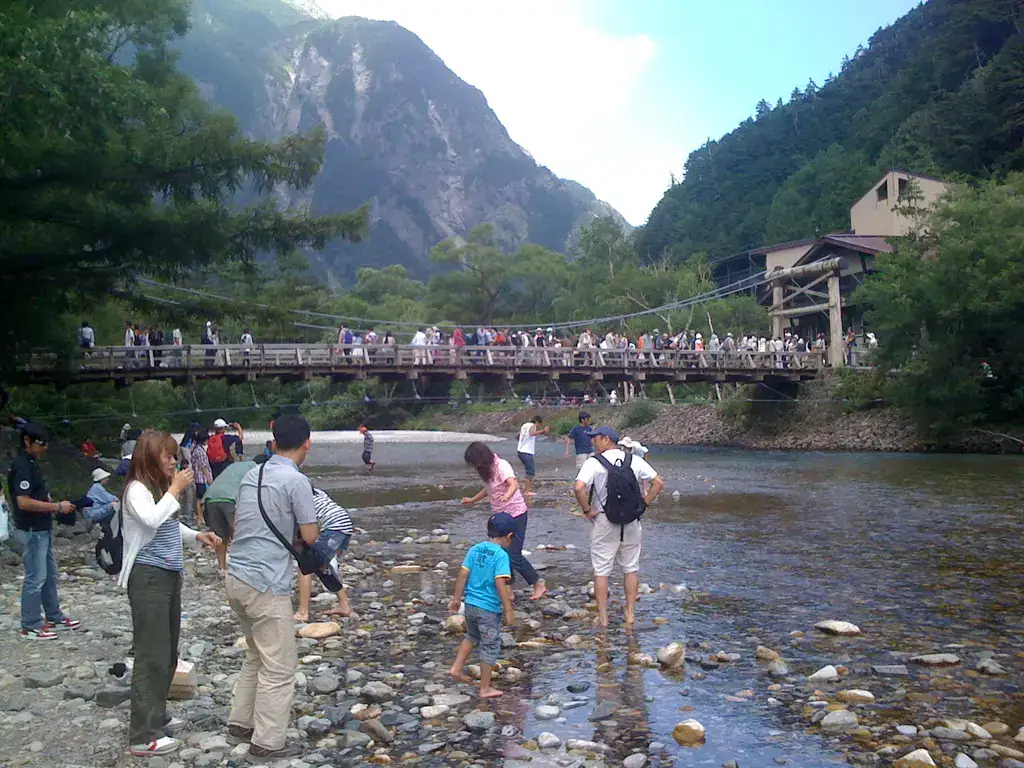
When should you go for autumn leaves?
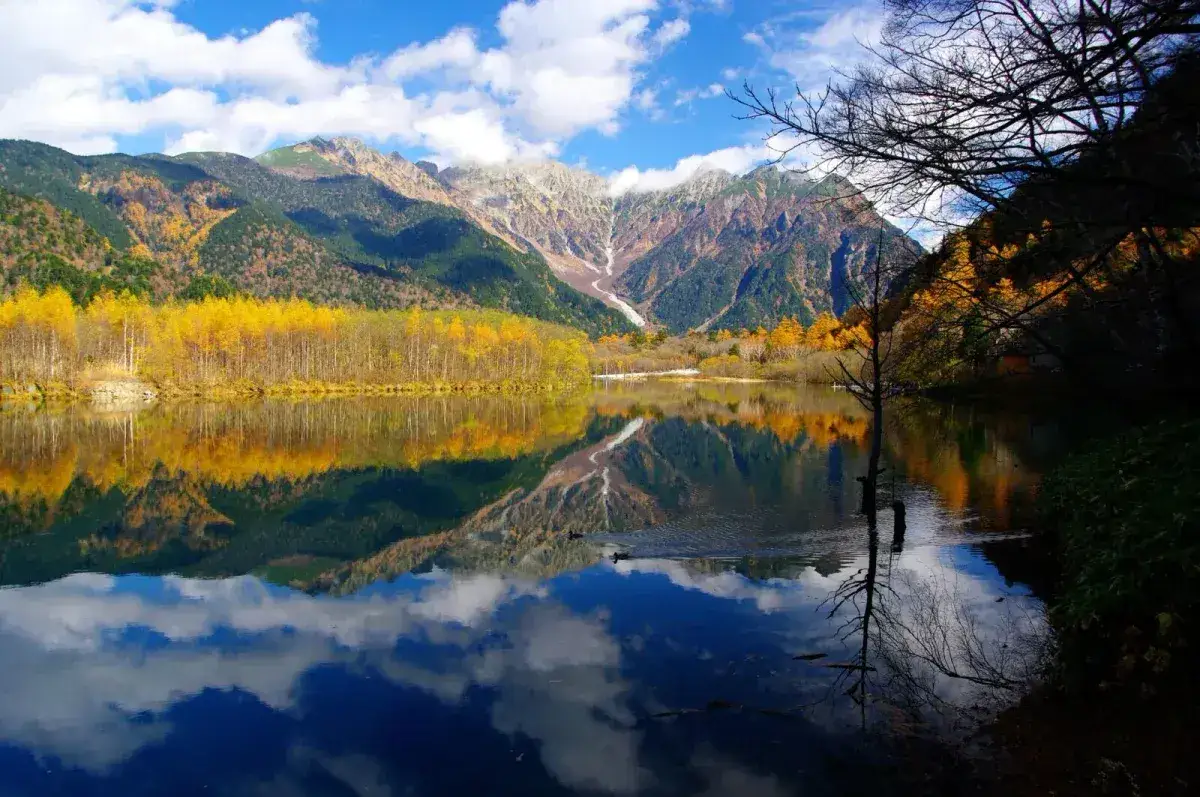
Choose autumn dates with the understanding that the appearance of the valley changes with conditions and varies between locations. A previous photograph can help you identify the scene you like, but it cannot guarantee the same colour on the same calendar date.
Check current observations and the destination’s official updates close to travel. Distinguish a general autumn season description from a report about a named location such as the area near Kappa Bridge or Taisho Pond. A view at one elevation or in one part of the valley does not establish the same appearance everywhere.
| Timing priority | Best planning question | Avoid assuming |
|---|---|---|
| Early-season visit | Which services and paths are available? | Every facility opens together |
| Summer walking | What conditions and crowding affect the day? | All-season photos describe today |
| Autumn scenery | What do current local observations show? | A fixed date guarantees peak colour |
| Final visitor weeks | When do transport and individual facilities finish? | All services continue until one closing day |
If autumn scenery is the main reason for the trip, leave more than one possible sightseeing day in the region. That gives you room to respond to weather without needing to predict a precise peak. A stay in Okuhida can support that flexibility when the buses and accommodation arrangements fit.
What happens near the end of the visitor season?
Check each essential service independently, because individual facilities can finish before the broad visitor season ends. A final transport date does not prove a particular hotel, shop or café is still operating when you arrive.
Start with the current closing-season notice on the Japanese official site, then verify the property or service you need. If the stay depends on a certain meal, storage arrangement or onward bus, get a clear answer for the actual date.
Late-season daylight and cold conditions should influence the walking plan. Set a comfortable turnaround point and keep the return departure in view. Do not continue to a distant landmark simply because an earlier summer itinerary described it as a normal day walk.
Plan a self-contained visit with the essentials in your bag, while still following destination rules. A useful backup snack and warm layer are sensible; assuming a facility will be open because it appears on a map is less reliable.
Can you visit Kamikochi in winter?
Winter is outside the ordinary bus-based visitor season and requires a different level of preparation and advice. Do not present it as a normal Okuhida day trip with the same transport and facilities used in summer.
The official FAQ directs winter visitors to separate rules and suggests consulting a guide. Treat that as a distinct activity decision, not a small seasonal adjustment to a casual riverside walk. Shops, accommodation and visitor support should not be assumed available.
If your goal is a comfortable winter onsen holiday, choose the Okuhida stay for the experience it provides in its own right. A mountain viewpoint or snow outing can remain conditional on current operator information, while the ryokan evening stays central to the plan.
Read the Okuhida winter guide before deciding whether a winter visit to the region meets your expectations. You can plan an enjoyable stay without forcing Kamikochi into a season when it is not operating as an ordinary visitor destination.
How does the season affect a Hirayu-based trip?
A Hirayu base is useful only when the transport and visitor season match the intended excursion. The village and Kamikochi have separate operating questions, so accommodation availability in Hirayu should not be read as proof that the valley shuttle is running.
Check Nohi’s current Kamikochi timetable and its operating-date notes. The first departure can have date-specific arrangements, and a general frequency description does not replace the actual morning and return services you need.
Choose the ryokan arrival and dinner plan independently from the walking day. If travelling from another Okuhida village, allow for the local connection to Hirayu as well as the shuttle. The time you need to leave Kamikochi depends on the complete return, not only the first bus out of the valley.
The Hirayu guide helps you decide whether the interchange suits the rest of the trip. A convenient base can simplify the day, but it does not eliminate seasonal checks or weather-dependent decisions.
Should you stay inside Kamikochi during the shoulder season?
Consider an overnight stay if being in the valley outside day-trip hours matters to you, then check the hotel’s exact dates and practical arrangements. A destination-wide opening statement does not establish the availability of a particular room or service.
Ask the property how to arrive, what luggage arrangements apply and which transport it recommends for the selected date. A hotel inside the restricted area still needs a workable access plan, and private-car restrictions should not be assumed to disappear for overnight guests.
Compare the Kamikochi accommodation options with an Okuhida base. The right choice depends on whether your priority is a valley morning or a hot-spring ryokan evening. Do not choose solely from the shortest-looking map distance.
Keep cancellation and weather plans clear. If the trip depends on one particular seasonal scene, make sure you understand how you will feel if conditions differ. Book the stay for the wider experience rather than a promise that the landscape will match a photograph.
How should you shape a walking day for each season?
Build the day around a turnaround point rather than a destination. In every season, decide in advance where you will stop and begin the return, then treat anything beyond that as a bonus.
Early in the visitor season, a short riverside circuit in the central valley is a sensible base plan. Conditions at the start of the season can be less settled than the summer images suggest, so a route that can be cut short without leaving anyone stranded is preferable. Look at current notices before choosing between the two banks of the river.
In summer, the main planning variable is crowding at the access points and on the shuttle. Allow extra margin at the start and the end of the day, and avoid scheduling an onward train or a ryokan dinner too tightly against the last practical bus. If you are returning to a Hirayu inn, ask the property how late it can serve dinner before you fix your return plan.
In autumn, the temptation is to chase a scene. Colour can differ between the valley floor and higher ground, and a view recommended in an older article may look different on your day. A better approach is to choose two or three possible short walks, then pick one on arrival after reading current local information. Short days also leave room for photographs without hurrying.
Late in the season, daylight shortens and the air cools, so choose a route that can be completed comfortably with margin. Carry water, a warm layer and a rain layer, and give yourself a clear time to turn back. None of these suggestions replaces official safety guidance, which applies on the day.
Which accommodation timing questions affect a seasonal trip?
Book the base that suits your priority, then check its dates and transport links independently. Because transport and hotels in the valley do not necessarily open and close together, your accommodation decision should be made alongside the bus information rather than before it.
If your main wish is autumn scenery, popular dates may fill earlier than quieter weeks, but this is a planning caution rather than a prediction about any particular property. Check availability at several places and keep cancellation terms in view. Staying flexible on dates is often more valuable than securing the single most famous weekend, especially as the colour on any given day cannot be promised.
Consider the shape of the stay as well. A night in Hirayu followed by a valley day is a common pattern in guides because the village sits on the access corridor, but you still need to confirm that the shuttle runs on your date and that your inn can accommodate the arrival you want. The Hirayu Onsen ryokan shortlist is a good place to compare options, and the Okuhida ryokan hub widens the choice to other villages.
Remember that different travellers value different things. Some prefer to be inside the valley at the quietest hours, accepting a more limited range of services. Others value an evening bath and a full meal more than a very early start. Neither is wrong; the point is to choose deliberately, and to accept that a tidy seasonal plan still depends on conditions on the day.
What should your final seasonal checklist include?
Check five things: visitor access, your bus dates, the facilities you need, current walking notices and the forecast. Each answers a different question, and a positive answer to one does not establish the others.
Save the official pages and the return timetable before leaving the accommodation. Review any update that affects the planned route, then be prepared to shorten or change the walk on arrival. It is more useful to know where to verify a closure than to memorise an entire seasonal calendar.
Finally, keep the day’s purpose simple. A spring visit can be about the changing landscape, an autumn visit about the river and trees, and a late-season visit about a quieter-paced walk within the services still operating. None requires a guarantee of perfect weather or an exact peak to become worthwhile.
Your questions, answered
What months is Kamikochi normally open?
The ordinary visitor season is broadly mid-April to mid-November, but exact access, transport and facility dates need checking for the current season. Some hotels or services can open later or close earlier than the broader visitor window. Use the official destination and operator information for the actual date.
Does everything open on the first visitor day?
Do not assume all facilities open together. Check the particular hotel, café, visitor service and walking route your plan requires. A bus beginning seasonal operation answers the transport question, but it does not prove every business is ready for the same type of visit shown in summer photographs.
Can I book a guaranteed autumn colour date?
No calendar date can guarantee the exact appearance of the valley. Use current observations and official updates for the named places you want to see, and leave flexibility when possible. Book the wider trip for an experience you will still enjoy if the colour or weather differs from expectations.
Can I use the normal shuttle in winter?
Winter is outside the ordinary visitor-season arrangement, so do not assume the summer shuttle and facilities remain available. Read the official winter guidance and seek appropriate specialist advice for a winter activity. A standard day-trip plan should not be adapted simply by adding a warmer coat.
Is Hirayu a useful autumn base?
Compare the actual shuttle dates and local connections with your chosen accommodation. Hirayu can support a separate Kamikochi day when services operate, but you still need a realistic walking plan and return margin. Ask the ryokan about dinner and arrival arrangements before choosing the final departure from the valley.
When is the best time to see autumn colour in Kamikochi?
No single date is reliable, because colour varies with weather and elevation. Check current local observations for the area you want, such as the riverside near Kappa Bridge, and keep more than one possible sightseeing day. Choose dates for access and a walk you would enjoy even if the foliage is earlier or later than expected.
Should I stay in Hirayu or inside Kamikochi for the season?
Choose Hirayu if you want an onsen ryokan evening and the shuttle runs on your dates. Choose a valley hotel if being inside the area outside day-trip hours matters more. In both cases, confirm the property's own operating dates, arrival arrangements and the transport you will use, because each is set separately.