Gifu, Japan · The Northern Alps
Kamikochi Hiking: Choose the Right Valley Walk
For a first Kamikochi visit, choose a valley walk rather than a summit route. Kappa Bridge, Taisho Pond and Myojin offer different lengths and scenery, but your return bus and walking conditions should determine the plan. Mountain ascents beyond the valley require a different level of preparation and experience.
Some booking links may earn us a commission at no extra cost to you. How we fund this guide.
Which walk should you choose?
Choose by the amount of walking you actually want, not by the longest route appearing in a search result. A short outing around Kappa Bridge suits visitors prioritising river views and transport flexibility. Taisho Pond adds a different waterside perspective. Myojin suits those who want to devote more of the day to walking.
Use the official trail map to check the full route and any closures. Distances between landmarks are not the same as total walking once you include diversions, meals and the return to your bus.
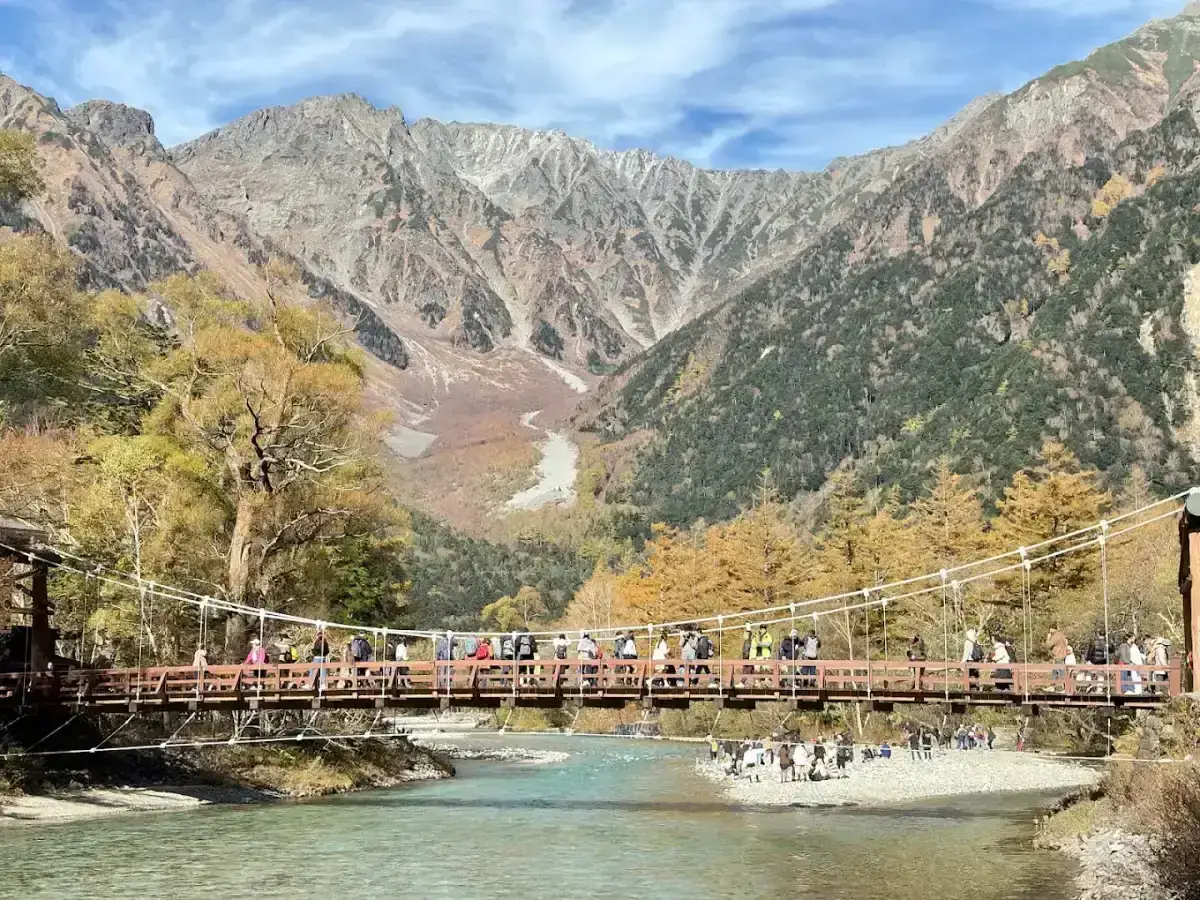
Should you walk from Taisho Pond or the bus terminal?
Plan the direction around your confirmed arrival stop and return departure. A one-way walk can avoid retracing the same stretch, but only when the transport arrangement is clear. Tell everyone in your group where you are getting off before the bus reaches the stop.
Starting at the terminal can be easier if you first want visitor information, toilets or an assessment of the weather. Starting with a more distant landmark may suit a prepared group, but it should not depend on guessing whether an unfamiliar stop is correct.
Is Myojin suitable for everyone?
Consider the return distance and the slowest walker before choosing Myojin. A relatively gentle valley route still becomes tiring when combined with early buses and a long onward transfer. Keep enough time to stop for food, use facilities and walk back without pressure.
If part of the group wants a shorter day, agree on a clear meeting arrangement near the main visitor area. Do not send a tired child or less confident traveller back alone simply to keep the rest of the plan unchanged.
What should you bring and avoid?
Wear shoes with grip and carry rain protection, a warm layer, water and food appropriate to your chosen walk. Save the route map offline. Follow local notices about wildlife and trail conditions; an attractive riverside shortcut is not a substitute for the maintained path.
Kamikochi’s visitor rules prohibit collecting plants or wildlife, feeding animals, leaving litter, bringing pets and straying off the paths. Mountain routes beyond the valley are not an automatic extension of a sightseeing walk. Turn back when conditions or remaining daylight no longer support the plan.
Which option fits your trip?
| Walk focus | Suits | Main decision |
|---|---|---|
| Kappa Bridge area | Shorter sightseeing walk | How much time to keep near the terminal |
| Taisho Pond direction | Waterside scenery | Arrival stop and one-way versus return walk |
| Myojin direction | A longer valley outing | Full return walk and turnaround time |
| Mountain summit | Prepared mountaineers | Separate equipment and route plan |
How do Kappa Bridge, Taisho Pond and Myojin compare?
Kappa Bridge is the simplest focus for a shorter valley visit, Taisho Pond suits a planned riverside approach, and Myojin adds a longer walk away from the main arrival area. Choose the route by the complete return journey and your group’s stamina, rather than treating the three names as a compulsory checklist.
The official Kamikochi walking information is the starting point for distances, current paths and visitor notices. Match your chosen landmarks to a route map before travelling. A line between two sights does not tell you which side of the river to use or whether a connecting path is currently available. For a first visit with mixed abilities, prioritise a comfortable river walk and the mountain setting around Kappa Bridge. A party that enjoys sustained walking can investigate Myojin as its main outing instead. Choose one main objective, with optional additions after assessing the weather. This prevents the final return walk from becoming an exhausting obligation simply because several famous names appeared close together on a map.
What does an easy Kamikochi walk actually involve?
An easier valley walk still involves time on your feet, changing weather and the need to return to transport. It is different from a paved urban promenade. Surface, steps and diversions matter as much as distance, especially after rain or near the edges of the operating season.
Avoid interpreting ‘flat’ as a promise that every member of the group will find the route comfortable. A person who can walk a short distance near the terminal may not enjoy a longer outing to Myojin and back. Build the plan around the least confident walker, with places to pause and an agreed turnaround decision.
If accessibility is essential, ask the visitor information service about a specific route and current conditions. General descriptions of the valley cannot confirm that every bridge, boardwalk or facility is suitable. For a stroller, consider both the surface and the practical task of passing other visitors. A shorter open route is often a better choice than carrying equipment over unsuitable ground to preserve the original itinerary.
How do you plan a Taisho Pond to Kappa Bridge walk?
Check the arrival stop and current walking route first, then organise the return from the main visitor area. A one-way approach can give the walk a useful sense of progression, but only when everyone understands where to get off and where the day’s transport home begins.
Before boarding, save the official map and tell the driver or staff your intended stop if you need help. Keep the group ready to alight together. Do not discover at the roadside that one person’s bag is difficult to retrieve or that the plan depended on storage at a different arrival point.
Walk at a pace that allows time to enjoy the water and forest instead of treating the route as an approach march to the bridge. Follow signed paths and current notices, including diversions. If your party is tired on reaching the main area, finish there rather than adding Myojin automatically. The day can already be complete with a river walk, lunch and time around Kappa Bridge before returning to the bus.
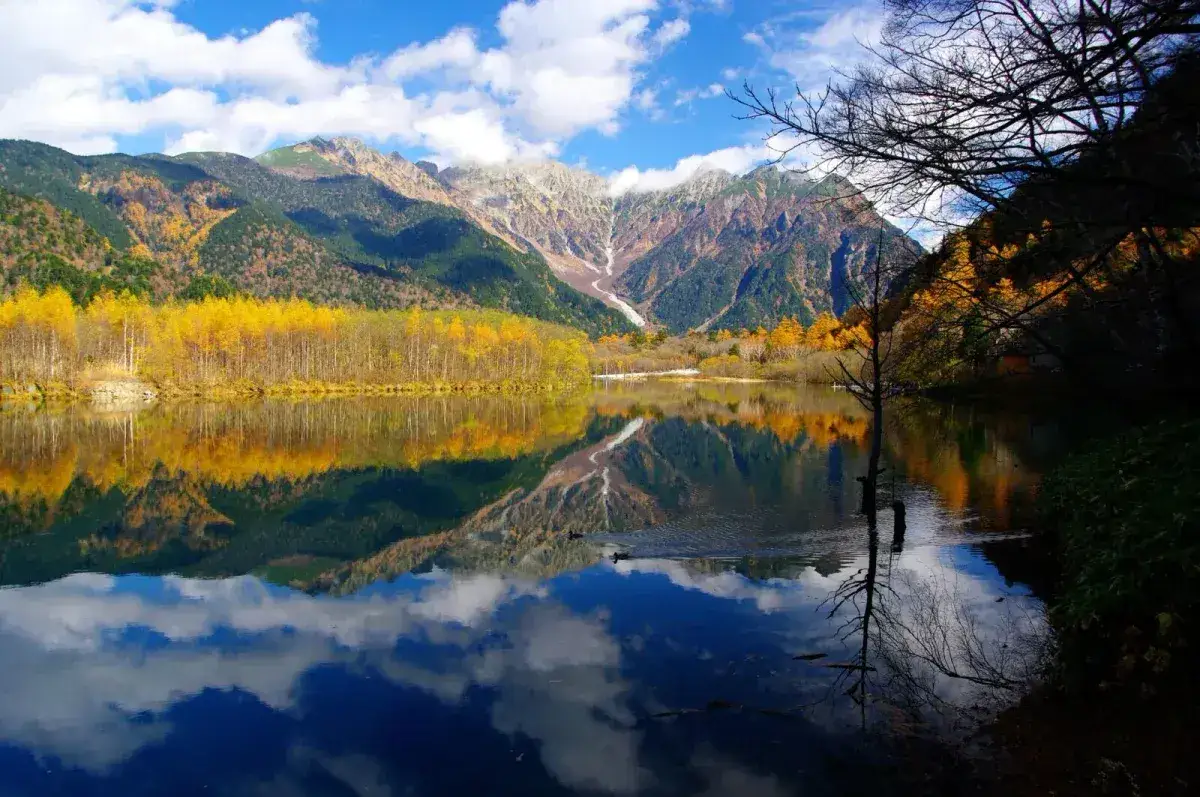
When does Myojin make sense as the main walk?
Choose Myojin when walking is the day’s priority and your group is comfortable with the full return route. It is a poor last-minute addition when you have already used most of the available time near Kappa Bridge. Set a turnaround decision before heading farther into the valley.
Check the current paths, bridge connections and any separate visitor arrangements for places you intend to enter. Reaching the Myojin area and visiting every associated sight are different plans. Read local signs rather than assuming a public walking route includes access to all adjoining grounds. Carry enough food and layers to remain comfortable without depending on a particular business being open. Keep the slowest walker’s pace in the calculation and reassess after the outward leg. If returning by a different permitted path, understand the route before setting off. Avoid separating the group without a clear meeting point, a shared map and a realistic understanding of when each party will reach the bus area.
Where does valley walking end and mountaineering begin?
Treat any move toward a summit, high pass or mountain hut route as a separate undertaking. Seeing a trail sign from the valley does not mean the continuation is suitable for an unprepared visitor. The required equipment, route knowledge and conditions can change substantially beyond the main sightseeing paths.
A casual day bag and a booked bus home are not a mountaineering plan. Do not follow better-equipped walkers simply because they appear confident, and do not use a summit photograph as proof that the route is accessible from your current location. Research the exact mountain objective independently through the appropriate official safety information.
For this guide, the useful boundary is the valley visit you can complete comfortably within your transport plan. If someone wants a more demanding trip, give it its own day, suitable preparation and an appropriate companion or guide. A good first Kamikochi outing does not require climbing above the valley; the river, forest and mountain views are enough to make walking the main experience.
How should you organise the Hirayu transfer and return bus?
Confirm the day’s access and return process before starting the walk. Travelling from an Okuhida ryokan can involve a connection at Hirayu, so the bus out of Kamikochi may not be the last journey you need. Check the official access page and the current bus operator notices. Write down the preferred return and an earlier alternative. Then fit the route around the time you need to be back in the boarding area, including any queue or reservation procedure. Do not equate reaching the terminal at the departure time with being ready to board. A long walk should never depend on guessing how the last service works.
Use the Hirayu transfer guide to connect the outing with your hotel. If dinner is included at the ryokan, keep that arrival requirement visible when deciding whether to extend the walk. A shorter valley route can preserve the onsen evening, while a longer route may suit a night closer to the day’s finish.
What do weather and wildlife rules change about the walk?
Weather affects the route you should attempt, while wildlife rules apply throughout the visit. Use waterproof clothing, suitable shoes and a warm layer, and reduce the walking ambition when surfaces or visibility deteriorate. The conditions at your hotel are not a reliable description of the whole valley.
The official rules and safety guide sets out visitor responsibilities, including staying on paths, protecting plants and animals, taking litter away and not feeding wildlife. Follow current wildlife notices and staff instructions; do not approach an animal for a photograph or leave food where it can be reached. Keep snacks and rubbish contained in your bag. If the path ahead is closed or a notice directs visitors elsewhere, use the permitted alternative or turn back. Avoid riverbank shortcuts, especially when they bypass a signed route. Responsible walking is also practical: staying on the maintained visitor paths makes the day’s distance, footing and return plan easier to understand.
Should you book a guided walk or travel independently?
Choose a guided walk for interpretation, an appropriate route choice or support that the listing clearly provides. Independent walking can work for a prepared group using the official map and open visitor paths. A package is useful only if its actual programme fits your ability and your reason for coming.
Read whether the guide accompanies the walk or provides an introduction followed by free time. Confirm the meeting point, language, terrain and maximum group size. A day tour departing from Takayama is not pickup from a Hirayu ryokan, and a ropeway-and-Kamikochi package leaves a different amount of walking time from a dedicated valley day.
Compare the listing with your preferred route before booking through an activity platform. Avoid buying a combined excursion merely because it contains more famous attractions. If Myojin is your priority, ask whether the itinerary genuinely allows it. The tours guide explains how to distinguish a guided experience, a transport package and a standalone ticket so you can choose the help you actually need.
How should you organise bags, lunch and rest stops?
Keep the walking bag small and settle any main-luggage storage before setting off. If you are moving hotels, confirm where the suitcase can stay and when it must be collected. Do not assume every arrival stop offers the same storage or that the return route will bring you back to it.
Carry food that suits the group and treat cafés or restaurants as possible stops rather than a guaranteed meal at a particular time. A queue can reduce the walking interval, while a closed business can leave an otherwise well-planned route without the break someone needs. Keep enough flexibility to eat simply and continue comfortably.
Use rest stops to reassess the route. If the group is already tired near Kappa Bridge, that is useful information before committing to Myojin. Check the remaining return walk and bus plan together. Avoid letting a long lunch force a faster pace on the path; shorten the route instead. A valley day works best when breaks are part of the experience, not delays to be recovered later.
When should you choose Hirayu accommodation instead of a valley overnight?
Choose according to the experience you want and the current availability, rather than assuming everyone needs to sleep inside Kamikochi. A Hirayu stay can pair an onsen evening with a separate valley day, while a valley overnight places the walk within a different accommodation and transport sequence.
If staying in Hirayu, plan the excursion around the return service and dinner. If staying in the valley, confirm the exact property access, arrival requirements and luggage arrangements. Neither choice removes the need to check the visitor season and current transport. An accommodation listing under the wider Kamikochi region should not be assumed to be inside the valley.
Compare the Kamikochi accommodation guide with your onsen preferences before booking. If the main purpose is a relaxed hot-spring stay with one walking day, Hirayu may fit the structure. If walking is the central reason for the journey, a confirmed valley stay may deserve closer comparison. The final choice should reduce travel pressure on the day you care about most.
Where should you go next?
Continue planning with Kamikochi from Okuhida, Kamikochi season and autumn, Hirayu bus terminal guide. Start with the Okuhida travel guide if you are still choosing a village base.
Your questions, answered
Is Kamikochi hiking difficult?
It depends on the route. Valley sightseeing walks and mountain summit ascents are very different activities. Select a maintained valley route for a first visit and check current conditions. Judge the full return walk, your footwear and the least confident person in the group rather than using one general difficulty label.
Do I need hiking boots?
For an ordinary valley walk, choose supportive footwear with grip that you can comfortably wear for the whole outing. Wet surfaces or seasonal conditions may demand more than casual city shoes. Technical mountain routes require their own equipment assessment and should not be planned using advice intended for sightseeing paths.
Can I bring a dog?
Kamikochi’s visitor rules prohibit bringing pets and other non-native species into the area. Check the official rules before travelling rather than assuming a dog can join because the visit is outdoors. If you travel with an assistance animal, confirm the applicable arrangements directly with the relevant operators.
Can I walk all the way to a summit?
Summit routes involve mountaineering decisions beyond the scope of a casual valley visit. They require appropriate experience, equipment, weather judgement and enough time. Reaching Kamikochi by bus does not make the surrounding peaks ordinary day-trip walks. Choose a valley itinerary if you have not prepared for a mountain route.
How do I avoid missing the return bus?
Choose a turnaround point before starting and work backwards from a confirmed return service. Allow for slower walking, meals and queues near the terminal. Do not rely on the final departure as your only option, especially when you must connect onward to Okuhida or arrive for a ryokan dinner.