Gifu, Japan · The Northern Alps
Okuhida Day-Use Onsen: Where to Bathe Without a Stay
You can enjoy an Okuhida onsen without booking a ryokan, but choose the facility before travelling. Hirayu no Mori is a useful starting point for a dedicated bathing visit; smaller village baths offer a different experience. Confirm admission, washing facilities, towels and current rules rather than assuming every bath works alike.
Some booking links may earn us a commission at no extra cost to you. How we fund this guide.
Which Okuhida day-use bath should you investigate first?
Start with Hirayu no Mori for a dedicated facility, or compare the named public baths when their current facilities suit your needs. The tourism association lists the alternatives below; confirm live access with the operator. | Bath | Setting to investigate | Important distinction | | — | — | — | | Hirayu no Mori | Established Hirayu bathing facility | Public admission and private-use arrangements differ | | Hirayu no Yu | Bath beside the Hirayu Folk Museum | Check the facilities you need | | Kojin no Yu | Tochio riverside bath | Ask about washing, storage and current access | | Shinhotaka no Yu | Mixed outdoor day-use bath | Tourism association lists winter closure; verify current season |
Which type of day-use bath should you choose?
Choose a dedicated bathing facility when you want a more structured stop with facilities you can check in advance. Hirayu no Mori publishes separate information for its bathing areas and private-bath arrangements. A small public bath or riverside bath may offer a simpler setting and a different level of convenience.
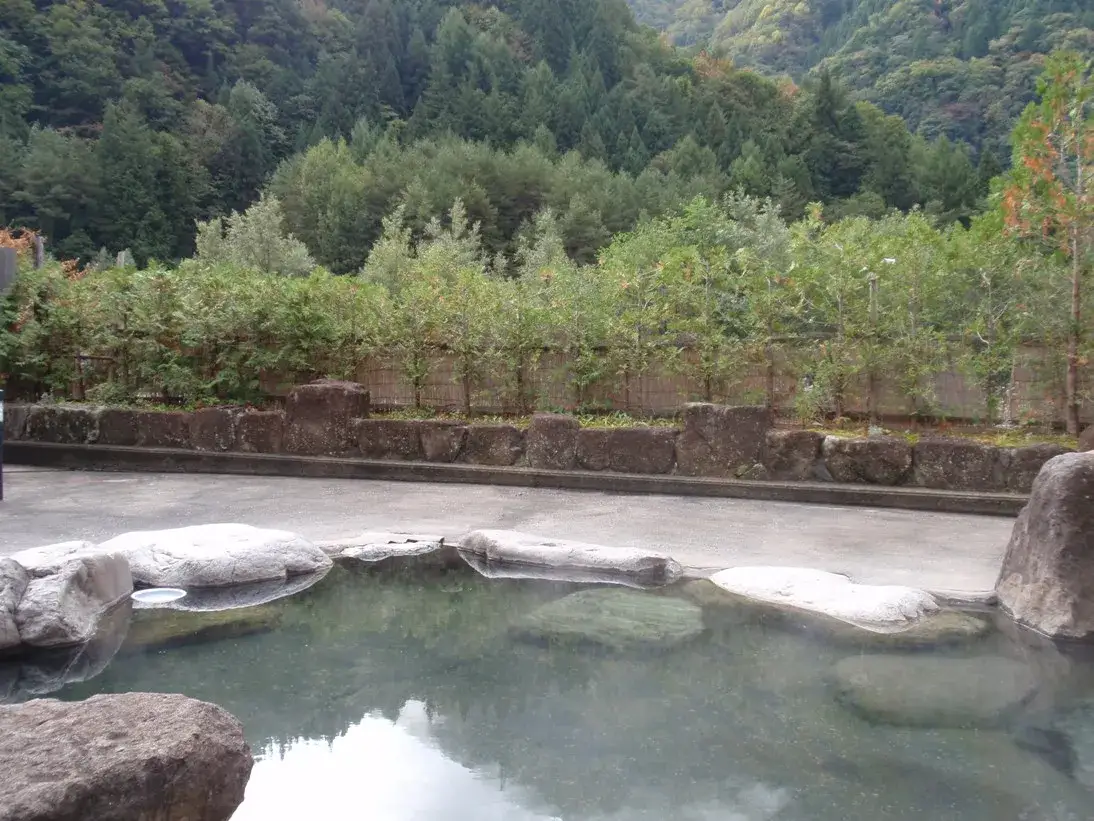
An open-air photograph tells you little about showers, changing space, lockers or privacy. Decide which of those you need before choosing scenery. For a first visit, a predictable arrival and changing arrangement can matter more than the most dramatic pool.
What are the main options to investigate?
Use the tourism association’s bath directory to compare Hirayu no Mori, Hirayu no Yu and baths elsewhere in the valley. Kojin no Yu in Tochio and Shinhotaka no Yu are names to research for an outdoor setting, but check their current operation and rules individually.
Do not assume every ryokan accepts non-residents. Even when day bathing is listed, admission can differ from overnight guest access. Ask whether your visit requires a reservation and which baths are actually included.
What should you confirm before leaving?
Ask about admission on your specific day, final entry, towels, washing facilities and payment methods. If travelling with children, ask about age and diaper rules. Tattoo policies also need a direct answer from the facility; a regional reputation for friendliness is not a policy.
If privacy matters, ask specifically for a bath used exclusively by your party and establish how it is allocated. A private changing area, a private bathroom in a hotel room and a bookable private onsen are different things.
How should you combine bathing with a bus trip?
Choose a bath near a confirmed transport connection and leave generous time for changing and washing. Store your suitcase somewhere agreed in advance. Keep your onward ticket, phone and valuables organised rather than carrying them around the wet bathing area.
Finish the visit early enough to return to the correct stop without rushing. If bathing is the main reason for your journey, confirm operation before travelling into the valley. A backup bath should also have verified access; it is not helpful if reaching it requires a bus that has already departed.
Which option fits your trip?
| Bath style | Useful for | Confirm first |
|---|---|---|
| Dedicated bathing facility | A planned day-bathing stop | Admission, towels and washing facilities |
| Small public bath | A simple local soak | Changing space and current operation |
| Ryokan day admission | Visiting a particular property | Non-resident admission and included baths |
| Private bath | Exclusive use with your party | Allocation, child rules and availability |
Which named baths should be on a first shortlist?
Start with Hirayu no Mori for a dedicated bathing-facility visit, then investigate smaller public baths if their current facilities match your needs. Hirayu no Yu, Kojin no Yu in Tochio and Shinhotaka no Yu are different places, not interchangeable branches of one admission system. Check each through the tourism association and, where available, its own operator. Hirayu no Mori’s official bathing page distinguishes its public bathing and private-bath information. It is a useful starting point for questions about admission, changing and exclusive use. A smaller outdoor bath may offer the landscape you want while requiring a different level of preparation for washing, belongings and privacy.
Build a shortlist around those practical needs before choosing the most striking photograph. This guide does not label every public bath as open, equipped with showers or suitable for all visitors. A named facility is a place to check, and its current admission rules matter more than an old review or a general description of Okuhida’s bathing culture.
How do you distinguish day admission from a ryokan bath?
Day-use admission is permission to use a particular facility without an overnight stay. A ryokan’s bath photograph does not establish that non-guests may enter. Some properties may offer specific daytime plans, while others reserve bathing for registered overnight guests. Ask directly before travelling to the entrance. Check whether the plan includes only bathing or also a room, meal or exclusive-use slot. Those products serve different purposes. A rest room after a soak is not the same as accommodation for the night, and a private bath may require its own arrangement even when public admission is available.
If you are already staying at a ryokan, compare the additional journey with using its own baths. A second facility can add variety, but it is not automatically a better use of a short afternoon. If the goal is to try onsen without booking a traditional inn, a dedicated day facility may provide the simpler experience. Choose based on the actual plan offered, not the word ‘onsen’ in a property name.
Which facilities should you confirm before arriving?
Confirm changing space, washing facilities, towel arrangements and secure storage according to what you need. An outdoor pool does not guarantee any of those. Ask about the practical sequence from reception to washing to bathing, particularly if this is your first visit.
Bring a small bathing bag with clean, dry belongings and a separate place for a damp towel. Do not carry sightseeing luggage into a changing area without permission. If travelling through Hirayu, settle suitcase storage independently; the bathing facility may not accept it even when admission itself is straightforward.
Check how payment is accepted and whether any local notices affect admission. Avoid arriving with one payment method and no fallback. If your group includes a child or someone who needs assistance, ask about the relevant facilities before buying admission. A broad description such as ‘family friendly’ does not explain whether everyone can use the same changing room or bath. The onsen etiquette guide covers the bathing sequence, while your chosen operator must confirm its own facilities and rules.
Can a couple or family reserve a private day-use bath?
Possibly, but private use must be confirmed as a specific product. Ask whether the bath can be reserved by non-residents, how a slot is allocated and whether every member of the group is admitted. Do not infer private day use from a photograph or a listing for overnight guests.
A shared private bath means different parties use the facility exclusively at different times. It is distinct from a bath attached to a guest room, and from a mixed public pool. Clarify changing space, washing facilities and the time available for the complete visit. If you need privacy for personal, cultural or family reasons, those details are essential rather than optional extras.
For Hirayu no Mori, use its own current information as the starting point for private-bath questions. If privacy is central to an overnight trip, compare the private-onsen ryokan guide too. A confirmed overnight arrangement may be a better fit than structuring a transfer day around an unconfirmed private slot.
What should tattooed visitors and parents ask?
Ask the individual operator about tattoos and children’s admission before making the bath the day’s fixed activity. Rules are facility-specific, and a private booking does not automatically override them. State the situation clearly rather than relying on a broad label such as tattoo friendly or child friendly.
For tattoos, ask whether admission is permitted, whether covering is accepted and whether a private option follows different conditions. For children, provide ages and ask about diaper rules, accompanying adults and any changing-room restrictions. Do not assume that a child accepted at an overnight property is admitted to every bath within it.
Keep an alternative that does not leave one member of the group waiting uncomfortably outside. You can choose separate bathing times or a non-bathing stop if the rules do not work for everyone. Read the tattoo planning guide and family onsen guide for the questions to ask. The final answer still needs to come from the facility you intend to visit, ideally before travelling there with bags or a tired child.
How does a day-use bath fit a bus-based itinerary?
Choose a facility that fits the actual bus stops and leave room for the full bathing routine. Admission, changing, washing, drying and dressing take longer than the soak itself. Start with your next departure and work backwards before deciding that a transfer gap is sufficient.
At Hirayu, establish the boarding point and luggage arrangement before leaving the terminal area. Use the terminal transfer guide to organise that part of the day. A return journey involving another village needs a separate final connection; it is not complete merely because you can get back to Hirayu.
Keep the bath optional on a hotel-transfer day. If the incoming journey is delayed, continue to the property rather than compressing the visit and risking dinner. For a dedicated bathing outing, choose an earlier return and allow a dry, comfortable wait afterward. Do not step out of the bath and expect to board a departing vehicle immediately. The best bus-based plan makes the soak feel like a pause, rather than another timed obstacle.
Is an outdoor or riverside bath the same as a full bathing facility?
No. The setting describes where the pool is, while the facility information describes how you can wash, change and store belongings. A scenic riverside location may have a simpler arrangement than an established bathing complex. Check both before deciding it suits a first onsen visit.
Also distinguish mixed bathing from exclusive use. A bath open to multiple genders is still shared unless the operator explicitly grants your party private use. Clothing rules, screening and changing arrangements need individual confirmation. Do not apply swimwear expectations from a resort pool to a Japanese onsen.
Outdoor facilities can be affected by weather, river conditions or maintenance. Check current operation close to the visit, especially after heavy weather or during seasonal transitions. Use the rotenburo guide to compare the bathing formats. If your main priority is comfortable washing and changing, choose those features first and let scenery be the second decision. A simpler view with a suitable setup can be the more enjoyable first experience.
What makes a comfortable first day-use onsen visit?
Choose one suitable bath, understand its rules and give yourself enough time to learn the routine without rushing. You do not need to visit several facilities to make the outing worthwhile. A simple plan leaves more room for questions at reception and a relaxed change afterward.
Wash before entering where the facility provides washing areas, keep towels out of the pool and respect the operator’s instructions. Avoid photography in changing and bathing spaces. If something is unclear, ask before entering rather than copying another visitor whose circumstances may be different. Keep voices considerate and leave shared areas ready for the next person.
Afterward, allow time to dry properly, gather belongings and return to transport. Check that the phone, ticket and locker key are accounted for before leaving. If the experience makes you want a longer hot-spring stay, compare the Okuhida ryokan guide for a future night. Day use is valuable in its own right, while an overnight plan offers a different rhythm with meals, rest and bathing close together.
How should a non-bathing companion spend the visit?
Plan for the whole party before choosing a bath, including anyone who does not want to enter. Ask whether there is an appropriate place to wait and whether that area requires separate admission. Do not assume a companion can remain in a reception or rest space throughout the visit without permission.
For families, adults taking turns may work better than trying to persuade everyone into a shared soak. Agree who supervises the child and where they will meet afterward. Keep tickets, phones and belongings accessible to the right person rather than locking the only payment method away with the first bather.
If waiting would be uncomfortable, choose a different structure: one adult can bathe while the others have an agreed outing nearby, or the group can use a facility whose confirmed arrangements suit everyone. A day-use stop should not leave someone stranded with bags or uncertain about the return bus. The bathing choice is complete only when the non-bathing part of the group also has a practical plan.
When is a ryokan night a better choice than day use?
Choose a ryokan night when you want bathing, rest and meals in the same place, and when the room plan fits your arrival. Day use is useful for trying a bath without an overnight commitment, but it separates the bathing routine from your luggage, dinner and sleeping arrangements.
Compare the whole experience rather than treating one as a cheaper version of the other. A day visitor may need storage and another journey afterward. An overnight guest still needs to confirm which baths are included and whether private use is available. Neither format automatically guarantees the privacy or facilities shown in a general gallery.
If you are already spending several days around Okuhida, one well-chosen overnight stay may create a more relaxed rhythm than repeatedly fitting baths into transfer gaps. If you are passing through, a dedicated day facility may be more practical. Decide how much time you want the hot springs to occupy, then choose the format that supports that purpose without making the next journey rushed.
Where should you go next?
Continue planning with Onsen etiquette, Mixed and outdoor baths in Okuhida, Okuhida with kids, Hirayu Onsen guide. Start with the Okuhida travel guide if you are still choosing a village base.
Your questions, answered
Can I use a ryokan bath without staying?
Sometimes, but only when that property offers day admission on the date and under the conditions you need. Do not arrive assuming all ryokan sell bath access. Confirm reservations, included facilities and entry limits directly; overnight guests may have access to baths unavailable to day visitors.
Are towels included?
That depends on the facility and admission arrangement. Check whether you need to bring towels, buy a small towel or rent a bath towel. Keeping a dry change of clothing and a bag for damp items is useful, especially if you are returning to Takayama by bus afterward.
Are outdoor baths mixed gender?
Not necessarily. Rotenburo means an outdoor bath, while mixed-gender bathing is a separate arrangement. Check the specific bath’s rules, including any bathing garment requirements. Never infer who may use a bath or what to wear from a scenic promotional photograph alone.
Can children use the baths?
Ask the facility about the child’s age, diaper status and the bathing area you intend to use. Families should also establish supervision arrangements before entering. A private bath may be easier for some groups, but it still has its own rules and should not be assumed available without confirmation.
Can I visit with tattoos?
Confirm directly with the bath or ryokan before travelling. Policies can differ between communal baths, private baths and particular admission plans. If using a cover is suggested, ask whether the facility accepts that arrangement. A booking platform’s general description should not replace a clear answer from the operator.