Gifu, Japan · The Northern Alps
Onsen Etiquette in Okuhida: A First-Timer’s Guide
For an Okuhida onsen visit, follow the property’s instructions, wash before soaking and keep towels and phones out of the shared bathing water and private spaces. Ask about tattoos, children and private-bath arrangements before booking. A clear arrival briefing makes the first bath easier to enjoy.
Some booking links may earn us a commission at no extra cost to you. How we fund this guide.
What is the basic onsen routine?
Follow the property’s instructions, wash before entering the shared water and keep the bath a quiet place for soaking. If the layout or rule is unclear, ask staff before going into the changing area.
The most useful preparation is understanding the sequence rather than memorising a long list of prohibitions. You arrive at the correct bath, leave clothing and belongings where instructed, wash at the designated place, rinse and then enter the soaking water. Your room’s private bathroom and the property’s communal onsen may have different layouts and rules.
This guide applies that general routine to an Okuhida stay. It does not certify the rules of every inn or day-use bath. Signs, staff instructions and the conditions attached to your booking take priority over a general travel article. If a particular arrangement matters to you, clarify it while choosing the accommodation rather than at the bath entrance.
For a first trip, an unhurried arrival helps. Read the bathing information after check-in, confirm dinner and decide when you want to bathe. Trying to learn everything while rushing between a bus arrival and a meal is avoidable. The Okuhida accommodation guide can help you compare the type of bathing experience before making a reservation.
What should you ask before booking the ryokan?
Ask about the exact bath arrangement, any access restrictions and anything that affects your comfort or needs. Property-wide phrases such as “onsen available” are too broad to answer every traveller’s questions.
Start by distinguishing the communal bath, a private bath used for a limited session and an onsen attached to your own room. A bathroom inside the room is not automatically a hot-spring bath. If you want to bathe with your partner or family, ask which arrangement allows that and whether the exact room or plan guarantees access.
Ask about tattoos before booking if relevant. Do not assume that a reservable bath or an in-room facility overrides every property rule. Explain what you need and request a clear answer for the bathing area you intend to use. Our tattoo-policy planning guide provides a practical way to frame that request.
Families should ask about children’s use, supervision and any applicable bathing arrangements. Travellers with mobility needs should ask about the actual route to the bath, changing space, steps and assistance they may need. A general description of the accommodation as comfortable or traditional does not answer these specific questions.
If a health condition makes hot bathing a concern, seek advice suited to your circumstances before travel and read the facility’s notices. This guide does not prescribe a water temperature, a bathing duration or a treatment routine. An onsen visit should not be sold as a guaranteed health benefit.
How do you identify the correct bath and changing area?
Check the signage and the explanation given at check-in, especially if the property changes the allocation of bathing areas. Do not follow another guest through an entrance simply because the layout looks similar to a photograph.
Keep the room information handy until you understand the system. Ask whether the same entrance remains yours for the whole stay and whether there are periods when a bath is closed or assigned differently. A written schedule is easier to follow than an assumption made on your first visit.
Before entering, confirm what should stay in the room and what the facility provides. Bring only what you need. Managing a phone, camera, large bag and several toiletries creates unnecessary clutter and increases the chance of leaving something behind. If you need a locker key or room key, ask how to keep it secure while bathing.
Respect privacy in both the bathing and changing spaces. Leave cameras and phones out of use, and follow the property’s rules about where such devices may be brought. An empty-looking bath is not permission to photograph it; other guests may enter, and the facility may prohibit photography regardless of who is present.
If you enter the wrong area, step back and ask staff for help. Correcting an honest mistake promptly is better than continuing because you feel awkward. The goal is a relaxed stay for everyone, including other guests using the space.
How should you wash and enter the water?
Use the washing area before soaking, rinse away soap and follow the local instructions for entering the bath. Keep towels and loose hair out of the shared water.
Give yourself enough room at a washing station and be mindful of people nearby when using a shower. Put items back neatly when you finish. The bath is not the place to wash away soap, apply products or clean a towel. Distinguishing washing from soaking makes the layout easier to understand and keeps the shared facility pleasant.
Move slowly on wet surfaces and take your time entering. Do not jump, splash or turn a shared bath into a swimming space. For children, explain the expected behaviour before reaching the water, then supervise closely according to the facility’s rules. If a child needs more active play, save that for a suitable setting outside the onsen.
You do not need to stay in the water to match another guest’s routine. Step out when you want to, follow posted notices and take a break. There is no sightseeing checklist to complete inside a bath. The purpose of planning the visit is to reduce pressure, not to create a performance you feel obliged to finish.
When leaving, use the drying arrangement indicated by the facility so you do not carry unnecessary water into the changing area. Collect your belongings carefully and leave the space ready for the next guest. If something is missing or broken, tell staff rather than improvising with unfamiliar equipment.
What changes in an outdoor bath?
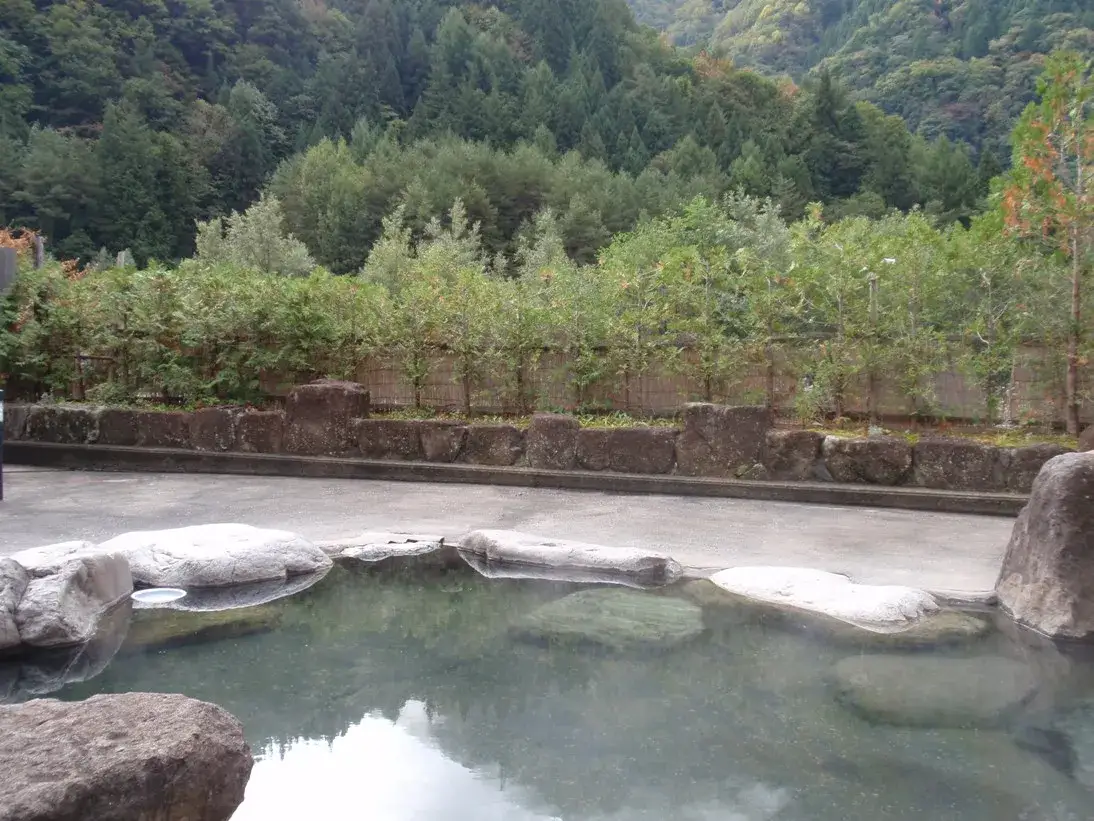
The basic etiquette remains the same, while weather and the path between indoor and outdoor areas add practical considerations. An outdoor bath, or rotenburo, does not imply private use or a particular dress arrangement.
Check the property’s instructions about the route, opening arrangements and what you may wear in each space. Mixed bathing facilities and ordinary gender-separated baths can have different requirements, so do not transfer a rule from one to the other. A scenic photograph cannot establish the current operating policy.
In cold weather, prepare the items you will want when leaving the water before you begin. Be careful on any exposed wet or snowy surface and follow closures or barriers. An appealing snow scene is not a reason to cross into an area the property has not made available.
Keep voices considerate outdoors as well as indoors. A view can make a bath feel like a sightseeing terrace, but other guests are still sharing a bathing space. Phones, conversations and group behaviour need the same respect for privacy as they would inside.
If the outdoor option is a central reason for choosing a property, confirm that it belongs to the room or plan you are booking and ask how weather affects its use. Our private onsen comparison explains why outdoor, private and in-room describe separate features.
How should couples and families plan private bathing?
Choose a specifically confirmed private arrangement if you want to bathe together without using a communal facility. Check how access is allocated, who may use it together and what is included in your booking.
A private session can be convenient, but it may have a reservation system or a time allocation you need to arrange. Do not build an evening around a preferred session before the property confirms how booking works. If your room has its own bath, ask whether it uses hot-spring water and whether there are any operation instructions.
Discuss preferences within the group before arrival. Some travellers are comfortable with communal bathing immediately; others prefer a private option. There is no need to persuade everyone to use the same arrangement. Booking with those preferences in mind avoids an uncomfortable surprise after check-in.
For children, verify the property’s rules and consider whether the space fits your supervision needs. An appealing bath photograph does not show every step, edge or changing arrangement. Ask practical questions in ordinary language, including where adults can remain with the child and whether the chosen accommodation accepts the child’s age group.
Plan bathing around the meal rather than treating dinner as something to squeeze between sessions. The Hirayu village guide can help you choose a base that leaves more of the afternoon at the property. A straightforward arrival can improve the onsen experience more than adding another bath to the itinerary.
What should you bring to the bath and what should stay in the room?
Bring only what you will use: the towel supplied or specified by the property, any washing items you prefer and the key you need to re-enter your room. Leave the phone, camera and valuables in the room unless the property provides a secure place for them. Ask at check-in what the inn already supplies, since many ryokan provide basic toiletries and bathing towels, but you should not assume that every property does.
A small towel is commonly used for modesty on the way to the water and is kept out of the bath itself. Place it on the edge, on your head or in the area the facility indicates, but do not dip it in the water. If you need a larger towel for drying, ask where it should be left afterwards rather than guessing. Hair that is long enough to reach the water should be tied up, which is a small courtesy that keeps the bath pleasant for everyone.
Think about drinking water and your own comfort as well. Hot bathing can leave you thirsty, so know where you can get a drink afterwards, and avoid starting a bath when you are unwell, very tired or have been drinking alcohol. Many bathing notices say this, and it is sensible whether or not a sign is posted. If you take regular medication, carry it with you rather than leaving it in a bag you cannot reach.
Finally, decide in advance what you will do with jewellery, glasses and contact lenses. Some metal jewellery can be affected by mineral water, and visibility can be poor without glasses on a wet floor. Ask the property whether it has a place to keep small items, and move carefully if your eyesight is limited. These ordinary preparations do more for a relaxed first bath than a long list of memorised rules.
What is the difference between a shared bath and a private bath in practice?
A shared bath is used by several guests at the same time, usually separated by gender unless the property states otherwise, while a private bath is allocated to one party. The names do not tell you whether the water comes from a hot spring or how access is arranged, so ask for specifics before you book. Your etiquette obligations are similar in both, because washing, quiet and respect for the facility apply wherever you bathe.
In a shared bath, the practical skill is awareness of other guests. Keep a courteous distance, avoid long conversations that echo, and move aside at the washing stations if someone is waiting. If the bath is busy, a short pause can be easier than staying in a position that blocks the entrance. Staff may adjust the arrangement during the evening, so check the schedule again if it matters.
In a private bath, the main risk is overconfidence. Because nobody else is present, it is tempting to ignore the usual rules, but the next party will use the same space. Follow the washing sequence, keep water use sensible, and leave the area tidy and ready. Ask how long a session lasts, how you will be told it is ending and what to do if you want to extend it, and do not guess at an answer.
For a booking decision, the private-onsen guide explains the vocabulary that accommodation pages use. For a specific property, read the facility description rather than relying on a general category. If privacy is essential to you, say so plainly when you contact the inn, and keep the reply with your reservation.
What should you do when a rule is unclear?
Pause and ask staff a specific question. It is easier for a host to explain the correct arrangement than to fix a problem caused by an assumption.
Show the room or plan you booked when asking about access. Questions such as “Can we use this private bath together?” or “Where should we leave our towels?” are easier to answer than a broad request to explain every onsen custom. If language is a barrier, a short written question can help keep the issue clear.
Keep the reply with your booking notes when it affects the whole stay. This is especially useful for tattoos, children, private-bath reservations and meal-related arrival times. A calm check before you enter the bath gives you room to choose another arrangement if necessary.
After the first visit, the routine usually feels simpler because the layout is familiar. Leave enough time to enjoy that familiarity rather than rushing from one facility to another. A considerate guest does not need perfect knowledge of every custom; paying attention, following instructions and asking when uncertain are the practical foundations.
Your questions, answered
Do I need to wash before entering an onsen?
Yes, the general routine is to wash at the designated area and rinse before entering the shared soaking water. Follow the particular facility’s instructions and be mindful of nearby bathers when using the shower. The onsen itself is for soaking, so keep soap, toiletries and towels out of the shared water.
Can I wear a swimsuit in an Okuhida onsen?
Check the specific bath’s instructions rather than assuming swimwear is permitted. Ordinary communal onsen and any mixed-bathing facility may have different arrangements. If communal bathing makes you uncomfortable, investigate a confirmed private bath or in-room option before booking, and ask exactly who may use it together.
Can I photograph an empty bath?
Do not assume an empty bath may be photographed. Follow the property’s photography and device rules, including those for changing areas, and ask staff before taking any photograph. Other guests can enter unexpectedly. Respecting privacy matters even when a bath has an attractive view or appears in promotional photographs.
Is a private bathroom the same as a private onsen?
No, those descriptions can refer to different facilities. A room may have an ordinary bathroom while hot-spring bathing takes place elsewhere, or a property may offer reservable private sessions outside the room. Ask whether the exact room has hot-spring water, whether access is exclusive and what reservation conditions apply.
What should first-time visitors ask at check-in?
Confirm the correct bath entrance, any changing schedule, where to wash, what items to bring and how private-bath access works if relevant. Also confirm dinner and breakfast so bathing does not create a rushed meal arrival. Ask any question about tattoos, children or mobility that remains unresolved from the booking conversation.
What should I bring to an onsen at a ryokan?
Bring only what you will use, such as the towel specified by the property, personal washing items if you prefer them and your room key. Ask at check-in what the inn already supplies rather than assuming. Leave phones, cameras and valuables in the room unless the property provides a secure place for them.
Can I take a towel into the onsen water?
No, keep towels out of the shared bathing water. A small towel is commonly carried for modesty and placed on the edge or on your head, but follow the facility's own instructions. Ask staff where to leave a larger drying towel. Tie up long hair so it does not enter the water.