Gifu, Japan · The Northern Alps
Shinhotaka Ropeway in Winter: Snow and Travel Planning
Shinhotaka Ropeway can offer a memorable winter mountain outing, but visibility, wind and road conditions matter more than a fixed sightseeing schedule. Check the operator’s status before leaving, dress for exposed conditions and keep a lower-altitude alternative. A running service does not guarantee clear views or access to every outdoor area.
Some booking links may earn us a commission at no extra cost to you. How we fund this guide.
Which winter booking fits your transport plan?
Choose a standalone ticket when the arrival is already organised, and a verified winter tour when you need the transport it explicitly includes.
| Option | Useful for | Check first |
|---|---|---|
| Standalone ropeway ticket | A bus or car journey you have planned | Operation, redemption and ticket terms |
| Winter tour with transport | A confirmed pickup and return | Exact seasonal programme and inclusions |
| Shin-Hotaka overnight base | More time near the excursion | Hotel stop, dinner and winter arrival |
| Flexible onsen day | Poor conditions or an unsuitable outing | Bath operation and your accommodation routine |
Is a winter ropeway visit worth planning?
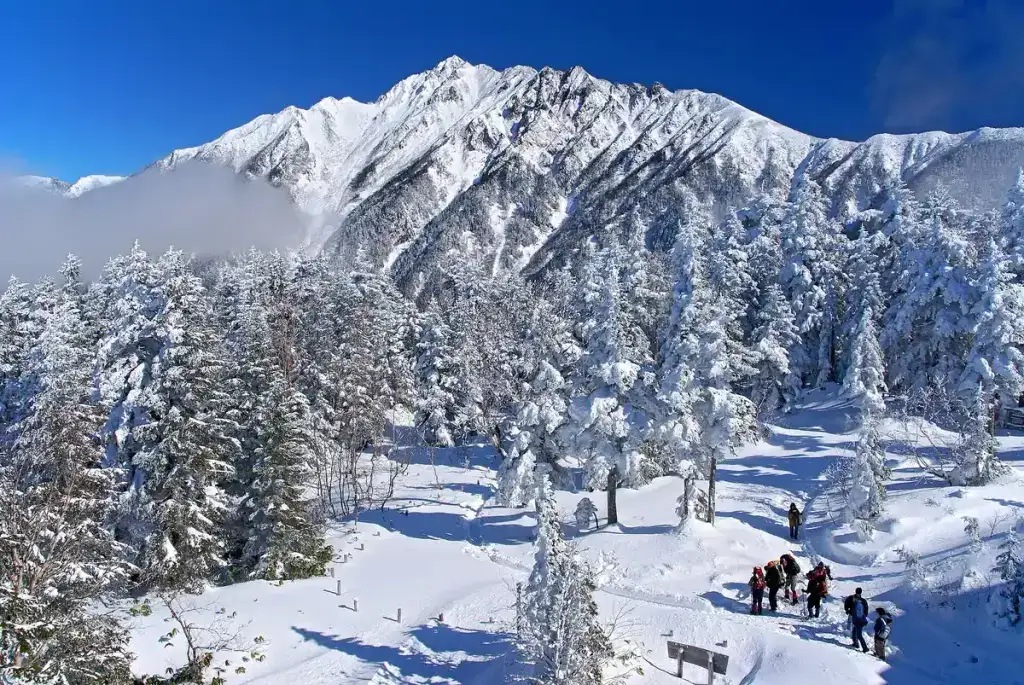
Choose it when you want snow-covered mountain scenery and can stay flexible about the day. Winter can transform the landscape, but clouds may hide the panorama that brought you there. Decide beforehand whether you would still enjoy the ride and snow setting without a distant view.
If you have several Okuhida nights, keep the clearest suitable day available rather than locking the excursion to the first afternoon. If you have one day only, build a satisfying backup instead of treating poor visibility as a ruined trip.
What should you check before departure?
Read the ropeway’s official operating status, weather information and notices. The different stages and outdoor areas may have separate restrictions. Then check the bus or road approach; an operating cable car does not establish that your whole journey is straightforward.
Do not book a tight return connection merely because the published ride looks short. Queues, transfers between stages and time getting dressed for the outdoors belong in the plan. Agree on an earlier return option if you need to reach a ryokan dinner.
What should you wear and carry?
Prepare for cold, wind and potentially slippery surfaces rather than dressing only for the temperature at your hotel. Use appropriate footwear and layers that can be adjusted indoors and outdoors. Keep gloves and rain or snow protection accessible, not buried in luggage.
Ask the operator about any traction equipment restrictions before using it on transport or station surfaces. Outdoor access is not the same as a prepared winter hiking route. Stay within open visitor areas and turn back if the surface or weather is beyond your group’s comfort.
Should you drive or take the bus?
Choose based on actual winter driving experience and the confirmed route, not simply convenience on a summer map. A rental car adds equipment, parking and road-condition decisions. Check those requirements with the rental company before departure.
The bus removes the driving task but still needs a verified service and return plan. Save the timetable offline and leave a buffer for road delays. If the excursion is cancelled, use the day for an agreed bathing visit or time in your base village rather than improvising a remote winter detour.
What does a winter ropeway visit include?
A winter visit centres on the ropeway journey and whichever visitor areas the operator has open that day. It does not automatically include snowshoeing, a guided mountain walk or unrestricted access beyond the stations. Separate the transport ticket from any additional outdoor activity you intend to book.
The official ropeway site displays operation information for the stages and links to business and access details. Check each relevant element rather than relying on a general open label. Maintenance, weather and outdoor-area restrictions can affect different parts of the experience separately. For most sightseeing visitors, the useful objective is a manageable outing with mountain scenery when conditions allow. Set expectations before leaving the hotel: the gondola may be the highlight even if cloud limits the view. If the photograph of a particular snow-covered path is the main reason for going, ask whether that area is currently available and suitable for your group.
How should you read operation notices and live views?
Read the service notice first, then use live views to understand visibility and the appearance of open areas. A camera image cannot establish whether every transport stage or walking section is operating. Equally, an operating service does not promise a clear panorama throughout your visit.
Check the timestamp and the information for your date. A saved social post or an attractive winter gallery is not live evidence. If staying in another village, check before beginning the first bus connection so you do not travel to a suspended service unnecessarily. Recheck locally if conditions change on the way.
Decide what would still make the outing worthwhile for you. Some travellers enjoy the ride and a brief snowy setting without a distant view; others would rather keep the day flexible. Neither preference is wrong, but it changes whether you should make a restrictive advance purchase. Keep the ticket’s cancellation terms separate from the operator’s weather information, because a disappointing view and a cancelled transport service may be treated differently.
Can you reach the ropeway from Takayama in winter?
Investigate the current Takayama–Hirayu–Shin-Hotaka corridor and the exact stop serving your intended ropeway entrance. Check the outward journey, the return and any date-specific notes through the bus operator. Road conditions can affect the approach independently of the ropeway. The Takayama-to-ropeway guide is the next planning page for a city-based outing. Include the time spent reaching the bus centre, boarding and returning to any onward train. A published cable-car ride duration describes only a small part of the day’s journey.
If staying in Okuhida, identify the stop near your actual property rather than returning to Hirayu by default. Confirm whether the bus you need serves it and how you will get back before dinner. Use an earlier return as the normal plan, with margin for queues and winter roads. A comfortable day trip should not require every stage to run precisely on time to reach your evening accommodation.
Should you hire a car for this winter outing?
Choose a car only if the driver, vehicle and planned route are appropriate for winter conditions. A rental booking is not evidence of winter driving experience, suitable equipment or an unrestricted road. Check requirements with the rental company and follow current road and parking instructions.
A car can simplify some hotel movements while adding decisions about snow, ice, parking and what to do if conditions worsen. Do not treat it as a guaranteed backup when buses are affected by the same weather. Navigation software may offer a road that is unsuitable or restricted, so use official access guidance rather than the shortest suggested route.
For a bus-based holiday, compare whether the current service already fits the ropeway day. You may not need a vehicle solely for this excursion. The Okuhida winter guide gives the wider transport context. If nobody in the group is comfortable driving in the likely conditions, choose a workable public-transport or verified organised option and keep a local fallback for disruption.
What should you wear for the stations and outdoor areas?
Dress for cold, wind and potentially slippery surfaces, with layers you can adjust inside the buildings. Keep gloves and outer protection accessible throughout the journey. Footwear suitable for a dry city pavement may not suit a snowy visitor area, even if your intended walk is short.
Ask the operator about the suitability and permitted use of any traction equipment. Indoor floors, gondolas and outdoor paths may require different handling. Do not assume an item sold for winter walking is appropriate everywhere on the route. Follow the current signs and staff instructions, and avoid entering closed areas because you feel better equipped than other visitors.
Carry only what you can manage comfortably through repeated boarding and changing layers. Keep phones, tickets and a spare power source secure and protected from the weather. For children, include dry or warmer layers where they can be reached quickly. The objective is a comfortable sightseeing visit, not testing how long the group can tolerate the cold to preserve a fixed photography plan.
Is the winter ropeway suitable for children or older relatives?
It may suit a group whose transport tolerance and outdoor comfort match the day’s conditions. Assess the complete visit, including the bus approach, waiting, transfers and movement between indoor and outdoor spaces. A short gondola ride does not establish that the whole day is effortless.
Choose a modest outdoor plan and identify where the group can pause. Ask about the actual accessible route if steps or slippery surfaces are a concern. Do not assume that facilities described generally as visitor friendly guarantee a step-free journey to every viewpoint. For a child, set expectations around the ride rather than promising a particular snow activity.
Families should read the Okuhida with kids guide before combining the excursion with a ryokan evening. Keep enough time for food, toilets and getting dressed for the return. If a member of the party is uncomfortable, shorten the outdoor part instead of pushing toward another viewing area. The best version is the one everyone can finish comfortably and still enjoy the rest of the day.
Should you buy a standalone ticket or a tour?
Buy a standalone ticket when you already have a workable transport plan and want control over the day. Choose a tour when the listing clearly solves transport or interpretation needs and its winter itinerary matches your date. Read the exact product rather than relying on the main photograph.
A combined ropeway-and-Kamikochi excursion is not an automatic winter alternative. Kamikochi has its own visitor-season access arrangements, so a summer programme should not be presented as a year-round package. Confirm what the listing actually operates on your date and whether the ropeway ticket, guide and transfers are included. For any organised outing, check the meeting point and return town. A Takayama departure does not establish pickup from a Shin-Hotaka ryokan. Compare the total schedule with your hotel arrival and dinner. The regional tours guide explains the difference between admission, transport and guided products, so you can avoid buying help you do not need or assuming a ticket provides services it never promised.
Where should you stay for a relaxed winter visit?
Compare a Shin-Hotaka-area stay with a Hirayu or Takayama base according to the surrounding itinerary. Staying closer can reduce one part of the approach, but the actual hotel transfer, meal plan and winter access still matter. Do not choose a remote property solely because its map pin looks near the ropeway.
Ask the inn for its exact arrival stop and any pickup arrangement. If your plan includes dinner, agree an arrival time and keep the excursion flexible enough to meet it. A winter onsen stay has value beyond the sightseeing day, especially when the weather encourages an earlier return.
Use the Shin-Hotaka ryokan guide to compare properties, then verify your selected room and bath arrangement. Keep an indoor or village-based fallback that you would still enjoy if the ropeway cannot operate. Choosing accommodation you want to spend time in makes the holiday less dependent on a single clear-weather window and gives the winter day a comfortable ending even when the mountain view remains hidden.
What is a sensible fallback if the mountain view is unavailable?
Choose a fallback that you would enjoy independently, such as a relaxed village afternoon or time at your accommodation’s confirmed baths. Do not automatically replace one weather-affected mountain excursion with another high-altitude plan that may face the same conditions.
If the ropeway operates but visibility is poor, decide whether the ride still meets your reason for visiting. Check the ticket terms before assuming you can change a booking because the view is disappointing. If services are suspended, follow the operator’s instructions and contact any separate transport or activity provider about its own arrangements.
Keep the rest of the day simple. A bath, meal and time in the room can be part of a successful winter holiday, especially when you selected the ryokan for those features. If you are based in Takayama, a city activity may be a different option, provided the journey and availability fit. The purpose of a fallback is to preserve a comfortable day, not to match the original attraction count.
How can you avoid a rushed return after taking photographs?
Set a departure decision before going outdoors and keep it tied to the transport home. Include the journey through the stations, any queue and the walk to the bus point. A photo session should use the time remaining after those tasks are allowed for, rather than consuming the whole interval until the next bus.
Agree on a meeting place if the group separates. Make sure everyone knows whether it is inside a station, at a signed entrance or at the boarding area. Share tickets and return details in a way that does not leave one person dependent on finding the only phone holding the booking.
When conditions are clear, it can be tempting to keep adding another viewpoint. Choose the photograph that matters and leave time to enjoy the view without a camera too. An earlier comfortable descent often gives a better ending than a hurried dash through winter surfaces. The ryokan evening is part of the day you planned, so protect it alongside the mountain visit.
Before returning, check that gloves, phones and tickets are accounted for and that everyone is ready for the next cold-weather transition. A short pause indoors to organise belongings is more comfortable than unpacking at a windy boarding point while the rest of the group waits.
Where should you go next?
Continue planning with Shinhotaka Ropeway guide, Takayama to Shinhotaka Ropeway, Okuhida in winter. Start with the Okuhida travel guide if you are still choosing a village base.
Your questions, answered
Is the ropeway guaranteed to operate in winter?
No mountain transport should be treated as guaranteed regardless of weather or maintenance. Check official operating information for your day and review the conditions attached to any tickets. Keep accommodation and onward transport plans flexible enough that an interruption does not force an unsuitable alternative journey.
Will I definitely see snowy peaks?
Visibility depends on the weather. Snowy scenery near the visitor areas and clear long-distance mountain views are different things. Check official cameras and forecasts before leaving, but understand that conditions can change. Decide whether you would still enjoy the outing if clouds cover the main panorama.
Can I hike from the upper station?
A sightseeing ticket does not establish that mountain routes are open, prepared or suitable for your experience. In winter, remain within the visitor areas confirmed open by the operator unless you have made a separate, properly equipped mountain plan. Follow local closures and avoid treating tracks in snow as route guidance.
Is it suitable for children?
It may suit families prepared for winter conditions and a flexible schedule. Consider the child’s tolerance for cold, waiting and transport changes. Keep outdoor exposure appropriate and bring accessible layers. Do not make a long mountain walk essential to the outing simply because the cable car provides access to a high station.
Where should I stay for an early visit?
Consider accommodation in the Shin-Hotaka corridor if reducing the morning approach is important. Confirm the exact property stop, transfer and breakfast arrangements before booking. A hotel described broadly as Okuhida may still require another bus journey, so compare the full route rather than the regional label.